
'I was told his speech would come' - Mansfield mum's years of fighting for answers about her son's hidden disability

A Mansfield Woodhouse mum is calling for greater awareness of Developmental Language Disorder (DLD) after years of searching for answers about her son's speech and language difficulties.
Caroline Cox, a mum of three from Mansfield Woodhouse, knows all too well how difficult it can be to get people to understand a condition they have never heard of.
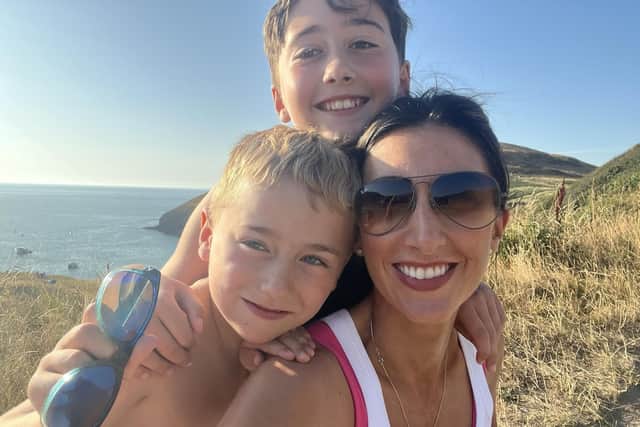

Her eight-year-old son George has Developmental Language Disorder (DLD), a lifelong condition affecting how people understand and use language.
It is estimated to affect around one in 14 people, roughly two children in every classroom of 30, yet it remains largely unknown compared with conditions such as dyslexia and ADHD.
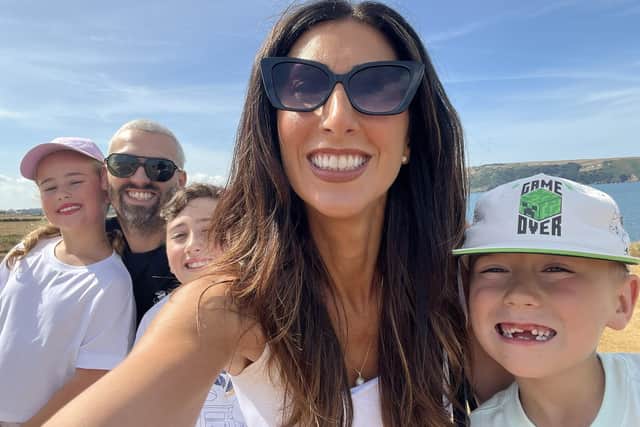
For Caroline, the journey to understanding her son's difficulties has been years in the making.
"George has a twin sister, Rosa, and from a young age I could see differences in how their language was developing. I knew something wasn't quite right, but I was repeatedly reassured that his speech would come. That he was a boy, and boys sometimes take longer.
"But as his mum, I knew there was more to it."
Caroline visited several NHS doctors looking for answers before eventually deciding to fund private assessments and care.
These helped identify and address hearing loss, which the family hoped would explain George's delayed speech.
"We thought we'd finally found the answer. His hearing had been affecting him, so surely now his speech would start to catch up.
"But it didn't. And so the battle for answers began all over again."
It wasn't until last year that an NHS speech and language therapist finally identified George's difficulties as Developmental Language Disorder.
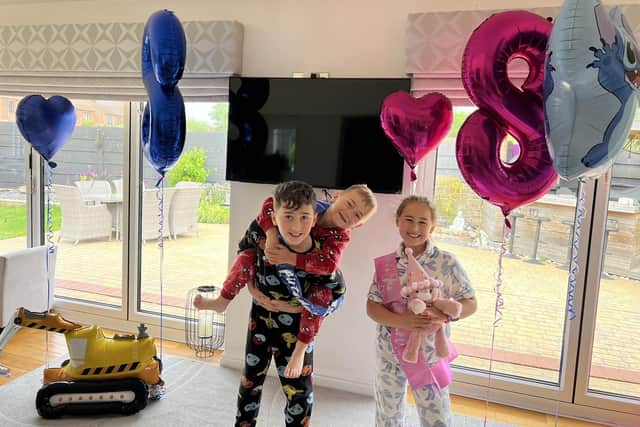
"After years of asking questions, we finally had a name for what George was experiencing. But I came away feeling like I'd been given a diagnosis and then left to work out what it actually meant for him and how we could support him at home.
"I can't tell you how many tears I've cried or how many nights I've spent researching, reading reports and trying to piece together information.
"I wasn't looking for a label. I was looking for answers. I wanted to understand my little boy and give him every opportunity to thrive."
Rather than waiting for answers to come to her, Caroline began researching DLD, finding specialist resources, speaking to other families and working closely with George's school to share what she was learning.
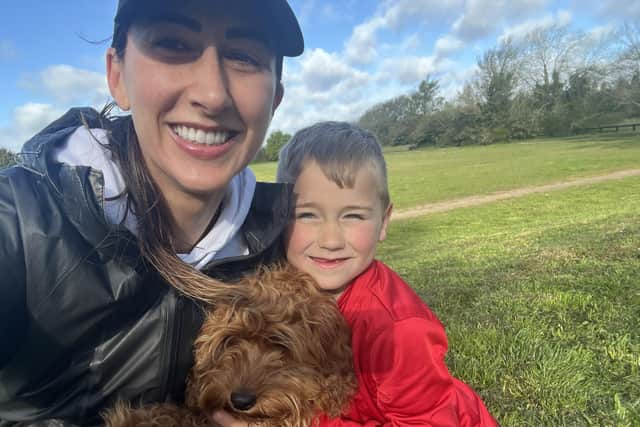
Her search for understanding has taken her far beyond Nottinghamshire, joining international DLD communities, including groups in Canada, connecting with families facing similar challenges and helping support research into the condition.
"What started as me desperately trying to find answers for George has become something much bigger.
"I've spoken to families in other countries who are going through exactly the same thing. Parents who know their child is struggling but don't know why. Parents who have been told to wait and see. Parents who finally get an answer and then don't know where to turn.
"And I keep thinking, why is this so hard? Why aren't we talking about DLD more?"
For George, DLD affects much more than speech.
It can make processing instructions, finding the right words, forming sentences, answering questions and keeping up with conversations difficult. It can affect learning, friendships, confidence and the ability to explain feelings or ask for help.
Yet because George is a sociable, affectionate little boy who loves being involved, people don't always recognise the difficulties he faces.
"People hear George speak and sometimes assume his speech is just a little immature for his age. That he'll grow out of it.
"But DLD isn't simply delayed speech. It's a lifelong condition. Just as we recognise that someone with dyslexia may need a different approach to reading, or someone with ADHD may benefit from adjustments to how they learn, people with DLD need us to understand how to communicate with them.
"George isn't choosing not to understand. He isn't being difficult. And he certainly isn't any less capable or deserving of the same opportunities as other children.
"His brain processes language differently, and we need to recognise that."
Caroline believes one of the biggest challenges is that DLD is often invisible.
A child may smile, nod or copy what their friends are doing, giving the impression they have understood when they haven't.
In a busy classroom, where instructions are given quickly and children are expected to keep pace, those difficulties can easily be missed.
"Imagine sitting in a classroom where everyone else seems to understand what's happening, but you're still trying to work out the first instruction.
"Then imagine not having the words to explain that you're confused.
"That is what I want people to think about. Not just teachers, but other children, parents, coaches and anyone who comes into contact with someone with DLD."
Caroline has worked closely with George's school, sharing research and practical strategies to help him access learning and build his confidence.
She believes collaboration between parents, schools and speech and language professionals is essential, but wants families to have clearer pathways to information and support.
"I've had to learn so much myself, and I'm grateful that I've been able to take that knowledge into school and work with them.
"But what about the families who don't have the time, confidence or resources to spend night after night researching? What happens to those children?
"Understanding a child's needs shouldn't depend on how hard their parents can fight or how much private support they can afford."
Ahead of DLD Awareness Day on Friday 16 October, Caroline wants greater recognition of the condition and, importantly, a change in how people respond to those who experience it.
"I would love DLD to become as widely recognised as dyslexia or ADHD. Not because I want people to feel sorry for George, but because awareness changes behaviour.
"When someone says a child has dyslexia, people generally understand that reading and writing might need a different approach.
"I want the same recognition for DLD. I want people to hear those three letters and know they might need to slow down, use simpler language, give a little extra thinking time or find another way to explain something.
"Sometimes it's about making the smallest adjustment to give someone the biggest opportunity."
For Caroline, one of the most powerful reminders of why awareness matters came during an online DLD community call.
A young teenager with DLD was asked what the condition meant to him.
His answer has stayed with her ever since.
"People with DLD still want to play. We just need more time. That absolutely stopped me in my tracks," Caroline says.
"Because that is what this is really about. Children like George want to join in. They want to learn, make friends, be included and feel understood.
"They don't want to be left behind because the world is moving too quickly for them to find their words. I can't change the way George's brain processes language, and I wouldn't want to change who he is.
"But I can try to change how the world understands him. And if sharing our story means just one teacher, one parent or one child recognises DLD and responds with a little more patience and understanding, then every tear, every late night and every difficult conversation will have been worth it."
For more information about Developmental Language Disorder, including resources for parents, teachers and professionals, visit www.radld.org.