Chad reporter shares personal story during baby loss awareness week
October 15 is Pregnancy and Infant Loss Remembrance Day and I am, unfortunately, ‘one in four’.
Although this is a personal topic and one some may think should be kept private, I believe women have suffered in silence for long enough, and it is time to break the taboo of speaking openly about miscarriage and stillbirth.
I had just turned 27 when we found out we were pregnant and could not have been happier.
I have always suffered with anxiety, so knew my pregnancy would be fraught with concern, but we passed 12 weeks and breathed a sigh of relief – everything was going to plan.
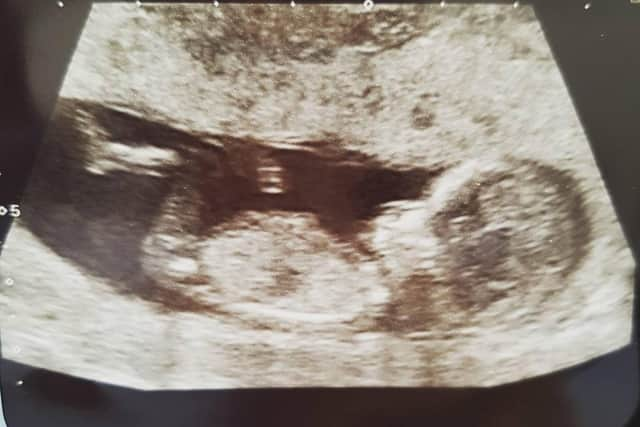

Just five weeks later, I knew something was wrong and felt the panic rising.
I took myself to hospital and was informed that baby’s heart was beating fine, and they sent us for a reassurance scan.
I knew the radiographer, and I will never forget the look on her face when her smile turned into concern and she broke the news that our baby had very little amniotic fluid left – it had slowly leaked from a tear.
My whole world crumbled – I felt broken.
Sent home for bed-rest, I spent the next three weeks begging my body to play ball, hoping the fluid would replenish, but our 20-week scan gave us the news we had been dreading.
The fluid loss could not have happened at a worse time – they were the crucial weeks for lung formation, and we were given awful odds.
Faced with what was classed as a termination of pregnancy, or to allow nature to take its course, I felt like my body had failed its most natural purposes in life.
Nature seemingly decided for me and I began showing signs of early labour, so I was induced at 21 weeks.
I held my perfect little boy, looked down at his beautiful face that would never cry, and felt lost and so, so alone.
I had a bump, I felt him kick, I had given birth, but I left hospital without a baby.
I sank into a deep depression and had to face returning to work with people looking confusedly at a bump that had suddenly disappeared.
People had no idea what to say, and some avoided eye contact.
I suppose, in all honesty, I wasn’t even sure how to speak about it myself, but now I know I needed to speak about my boy.
Don’t shy away from those conversations with friends, just be there to listen and let them cry.
Don’t avoid them, just be honest – say you’re lost for words but that you want to be there, even if in silence.
I initially declined grief counselling, but picked it up several months later – something I urge all other mothers to take up as soon as possible.
It does help.
This was 13 years ago, and not a day goes by where I do not think about him and what he would have been like.
I have since gone on to have two healthy children, and I feel incredibly lucky for that.
I can now speak openly about my loss, albeit through tears, and find it quite therapeutic doing so, and I hope that others who have been through similar situations can do so too.