
Why this charity is giving it their all to preserve the proud coalmining heritage of Pleasley Pit

It’s now more than 40 years since Pleasley Pit closed for good and the village was left with the heart-breaking task of picking up the pieces.
The difficult process of rebuilding a shattered community perhaps took longer than a lot of locals would have liked, but new housing developments, community events and employment opportunities suggest Pleasley may at last be healed.
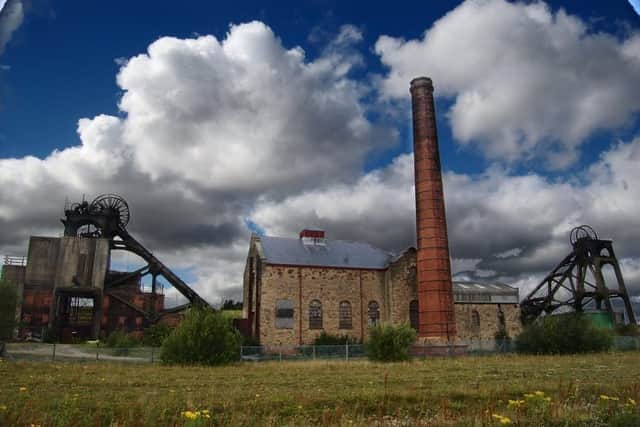
Though Pleasley Pit is long gone, in terms of coal production at least anyway, it is certainly not forgotten.
Pleasley Colliery, to give it its official title, now finds itself in the capable hands of the Land Trust and Pleasley Pit Trust, a non-profit organisation which aims to ensure the mine’s proud legacy lives on for many more generations.

At the heart of those welcome ambitions is Nicole Parkes, the Pit Trust’s development worker who is tasked with raising the site’s profile thanks to a funding grant from the National Lottery’s Heritage Fund.
“It is really important to teach the children where they come from. Loads of people don’t know exactly where we are. They will go on dog walks and walk straight past and not realise it is here,” says Nicole.
“We have had really good feedback from all the schools. We have three different classes, map reading, a museum tour and a classroom type visit where they learn how coal is formed.
“We are a charity and are trying our hardest to get the resources to bring people up here. We just want to bring more people here to understand more about the mines. We want to keep it for the next generation and to preserve it so everyone can learn about the history of Pleasley Pit, or any other mine.”
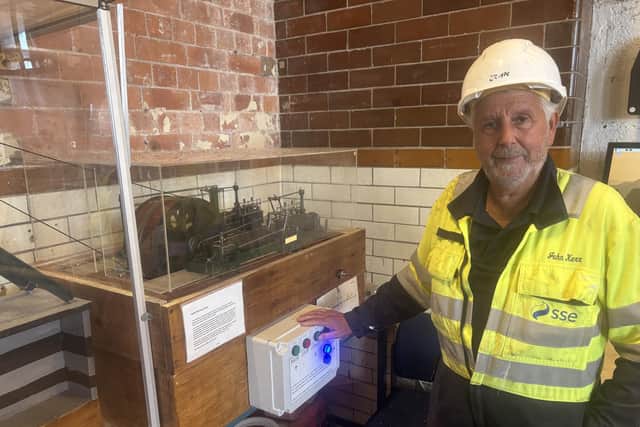
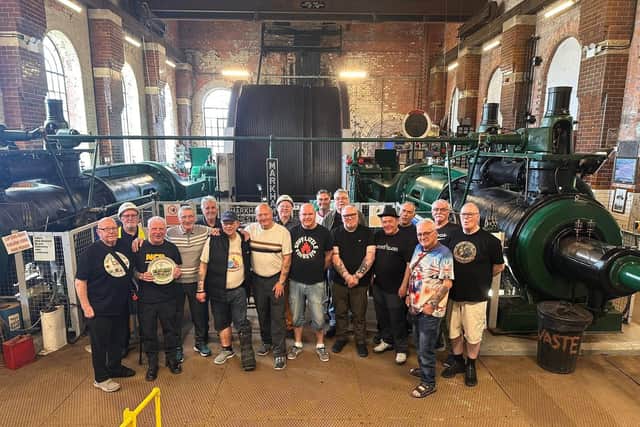
Helping to do that is the fascinating and insightful on-site Pleasley Pit Heritage Museum, which brilliantly showcases the challenges of life underground at the colliery before its closure in 1983.
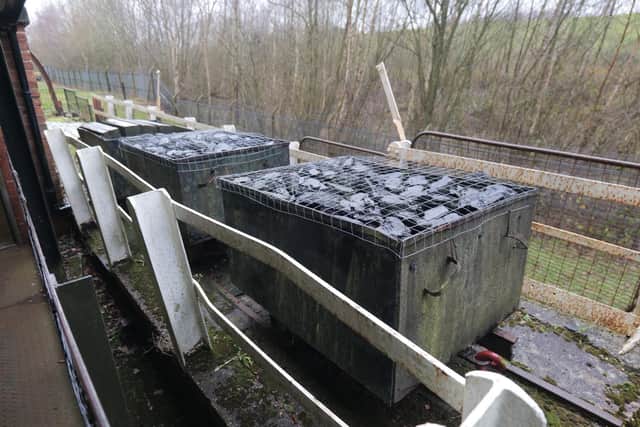
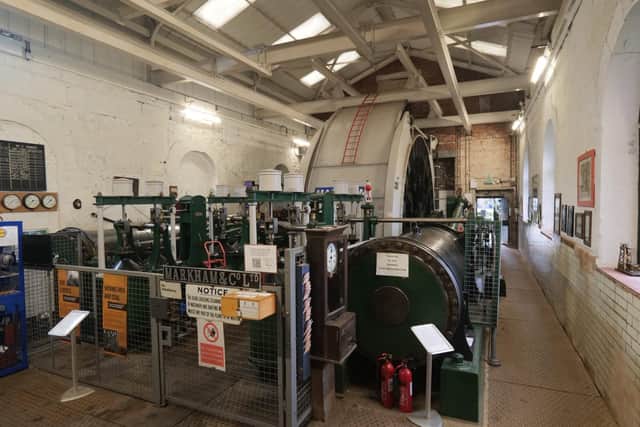
The interactive exhibition boasts an impressive collection of steam winding engines, coal trucks, photographs and models of how the iconic colliery used to look.
Perhaps best of all though is the very hands-on experience of being able to step inside the pit cage that took workers in and out of the mine and wonder what it must have felt like to take the drop.
One man who knows very well what the gruelling work was like is tough Scot John Kerr.
John used to work at Blidworth Colliery and left the industry in 1980. He now loves to pass on his knowledge and reminisce about the good old days as part of his role as a museum volunteer.
“I am retired and I have never forgotten my background in mining,” said John. “I know a lot of people around here and played for local football teams. Mining means a lot to me. It was tough to say the least, it was hot in places, there were low seams and it was tough going.
“A lot of the kids, especially the ones that are seven to nine years old, are very interested in mining. We do a discussion about how coal is formed so they can learn how it all started and how mining progressed from women and children, to ponies, to mechanisms. It is a good insight for the kids as they go through the museum.”
They are naturally days that John, who came to the area in 1967 from Scotland, remembers fondly.
“The camaraderie in the mines in those days was fantastic. You wouldn’t walk past someone and see them struggle, you would help them. It was that sort of atmosphere where you would help each other,” he reveals.
“We were in it together and if somebody makes a mistake it could be a fatal one for everyone. That was the atmosphere it was and a work ethic that set me for life.”
The legacy of coalmining is one that fellow volunteer Brian Gent is also very keen to pass on to the future generation.
That’s understandable with Brian having spent more than 30 years in the mining industry, including stints at Newstead, Welbeck and Thoresby.
“I am retired and I wanted something new to do. I never knew this was here apart from the engines, but the museum has a lot more to offer than just the steam engines,” he said. “I have been made very welcome by everyone here and it has been fantastic, I am really enjoying it.
“I feel that I have a lot of knowledge to pass on to younger people. It is all down to volunteers and getting volunteers who know what they are talking about. I think we are going to lose this if we are not careful.
“You don’t know what’s here until you come inside and have a look at what else is on offer.”
For information on events and opening times at the museum, visit https://www.pleasleypittrust.org.uk/