
Quakers originated in the mid-17th century, around 1647, when George Fox, the movement's founder, experienced a profound religious revelation in Mansfield. Emerging from the social and religious turmoil of the English Civil War, Fox developed radical ideas, including the belief that God resides within everyone and does not require intermediaries like priests.
This perspective resonated with many and became the foundation of the Quaker religion, known as the Religious Society of Friends. Quakers faced severe persecution from Puritans and other groups in both England and the American colonies, prompting them to seek refuge in America.
Today, there are approximately 350,000 to 400,000 Quakers (members of the Religious Society of Friends) worldwide. With the religion’s origins rooted here in Mansfield, Nottinghamshire Council launched a trail that highlights the town’s Quaker links, allowing people to learn about the significance of various buildings and locations related to the development of this global religion.
All information can be found at: www.nottinghamshire.gov.uk/media/112154/the-mansfield-quaker-heritage-trail-leaflet.pdf.

1. George Fox, c.1858
George Fox, c.1858. Artist Leopold Grozelier. (Photo by Heritage Art/Heritage Images via Getty Images) Photo: Heritage Images
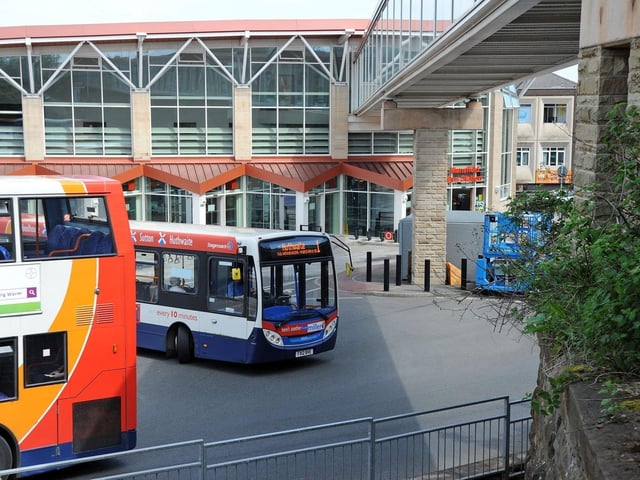
2. Mansfield bus station (old Quaker meeting house)
Not many people know this, but the Mansfield bus station (on Quaker Way) is located on the site of the first meeting house of the Quakers. A memorial plaque commemorates the Quakers who were once buried there, although their remains now rest in the Mansfield cemetery. The Old Quaker Meeting House burial ground was the final resting place for around 150 Quakers from the 1700s to the 1950s. Photo: Anne Shelley
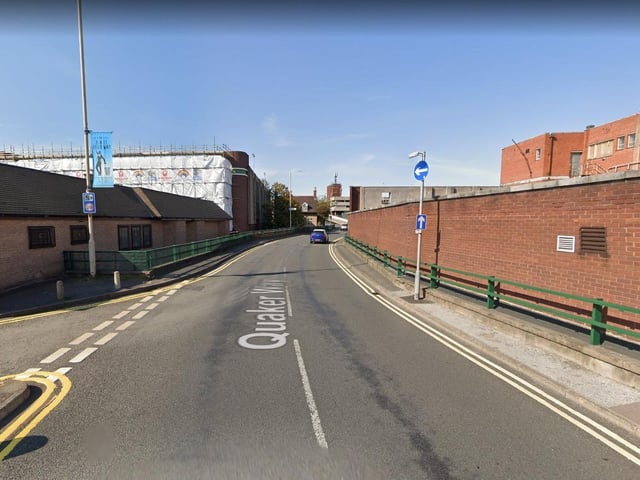
3. Quaker Way
Quaker Way was named in memory of the Old Meeting House and burial ground. Photo: Google Maps
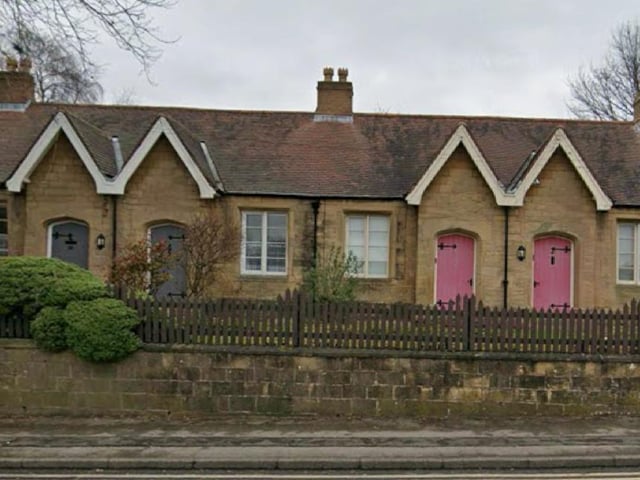
4. Almshouses
The Almshouses located on Nottingham Road, built by Quakers in Mansfield, are known as the Friends Meeting House Almshouses, or simply The Almshouses. These terraced, brick-built cottages were constructed in 1691 and feature an attached burial ground. Photo: Google maps