


Quakers originated in the mid-17th century, around 1647, when George Fox, the movement's founder, experienced a profound religious revelation in Mansfield. Emerging from the social and religious turmoil of the English Civil War, Fox developed radical ideas, including the belief that God resides within everyone and does not require intermediaries like priests.
This perspective resonated with many and became the foundation of the Quaker religion, known as the Religious Society of Friends. Quakers faced severe persecution from Puritans and other groups in both England and the American colonies, prompting them to seek refuge in America.
Today, there are approximately 350,000 to 400,000 Quakers (members of the Religious Society of Friends) worldwide. With the religion’s origins rooted here in Mansfield, Nottinghamshire Council launched a trail that highlights the town’s Quaker links, allowing people to learn about the significance of various buildings and locations related to the development of this global religion.
All information can be found at: www.nottinghamshire.gov.uk/media/112154/the-mansfield-quaker-heritage-trail-leaflet.pdf.
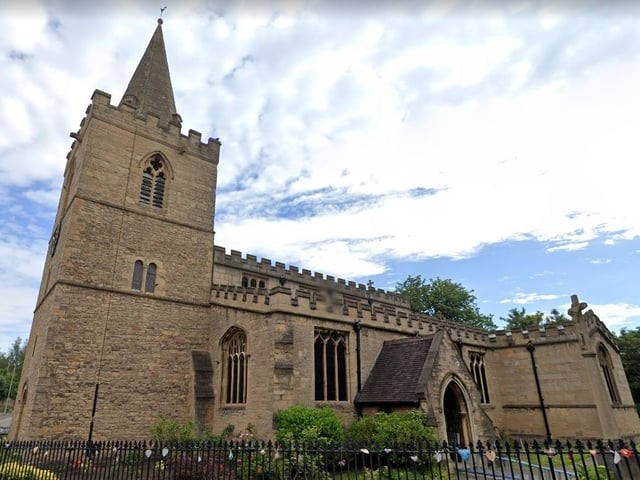
5. St Peter & St Paul's Church
In 1647, George Fox, the founder of the Quakers, had a profound experience walking by St Peter & St Paul's Church. Although the church is an Anglican place of worship, its connection to the Quakers arises from Fox's experience there. Photo: Google Maps
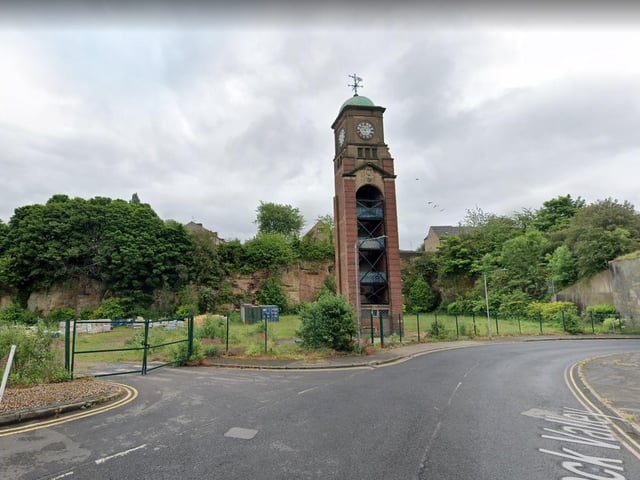
6. Metal Box
Only the historic clock tower remains from the old Metal Box factory in Rock Valley, Mansfield. The former factory remains a feature on the trail due to its Quaker connections. It was run by Barringer, Wallis, and Manners, three prominent Quaker families in the area. Photo: Google Maps
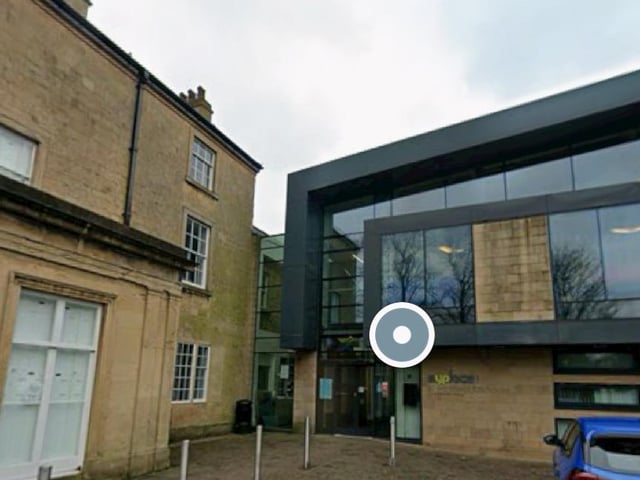
7. Westfield Folkhouse
The Westfield Folkhouse originally belonged to the Manners family the same Manners family who ran the Mansfield Metal Box Company. The last of the Manners family to own the building was Rachel Manners. Rachel, a widow, was very concerned about the welfare of the large number of girls employed at the Metal Box Company. She left the house to benefit the young people of Mansfield and to this day, it serves that purpose. Westfield Folkhouse, now known as MyPlace @ Westfield Folkhouse, is run by the Mansfield District Youth Team under the direction of Nottinghamshire County Council. Inspire College also operates from the MyPlace building, offering courses for school leavers. Photo: Google maps
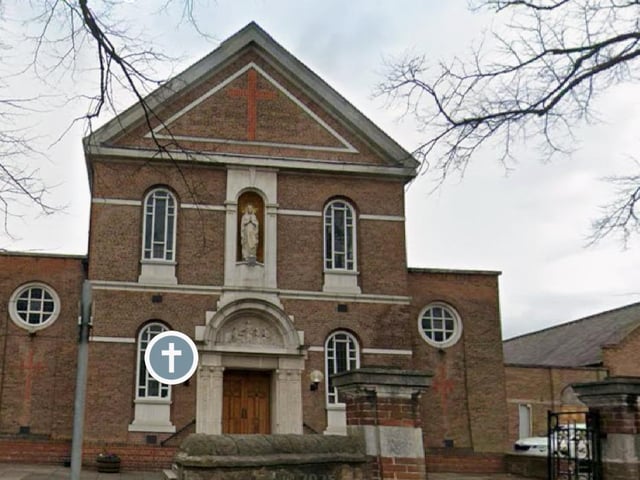
8. St. Philip Neri Catholic Church
St. Philip Neri Catholic Church was once the site of the house belonging to George Fox, the founder of the Quaker movement, during his apprenticeship as a shoemaker. A plaque was placed on the location of his former cottage as a commemoration; however, the cottage has since been demolished. Photo: Google maps