
The Last Stand of Mary Whitehouse - theatre review
"I watched 30 seconds of the Kenny Everett Show before writing a letter of complaint!”
So snaps Maxine Peake as Mary Whitehouse, pearl-clutching scourge of pornographers and progressives, and the subject of a new play which premieres at Nottingham Playhouse and runs until Saturday, September 27.
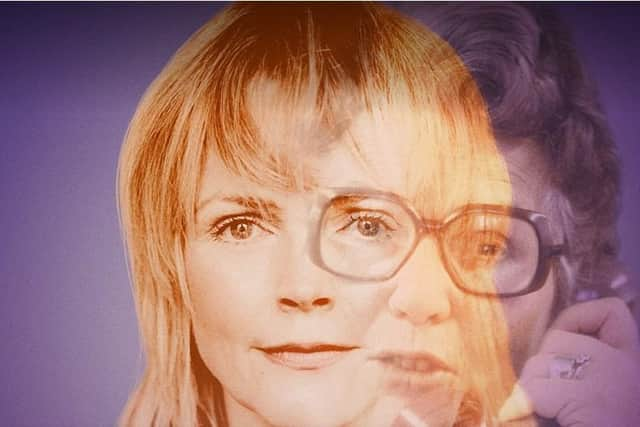

The Last Stand of Mary Whitehouse by Caroline Bird bristles with some very funny lines but also tries to “get close to the real person,” by mixing biographical fact with a fictionalised interior life to dramatise the woman who became synonymous with prudery and censorship.
The play revolves around Whitehouse’s successful 1976 prosecution of Gay News for blasphemous libel: the first such case for more than 50 years for a poem imagining the sexual fantasies of a Roman centurion about the body of Jesus Christ.
Peake’s too-tightly-tuned violin string of a laugh initially recalls Julie Walters, but she brilliantly channels the formidable will of the evangelical Christian “soul surgeon” who spearheaded the National Viewers' and Listeners' Association's campaign against the BBC for bad language and portrayals of sex and violence.
A fascinating scene in which Whitehouse meets then PM Margaret Thatcher features a tupperware container of sex toys and some very amusing alpha female jostling over Victoria sponge and leftover ham.
If the showdown between a steadfast foe of social liberalism and the era-defining pioneer of economic liberalism doesn't fully explore the dynamics driving such powerful characters, the devastating real-life consequences of closing Gay News - the only source of information in the age of AIDS - is made plain in a subsequent scene.
Peake is pitted against Samuel Barnett who plays 15 very diverse roles, including her mother, a documentary filmmaker, Jesus, and a Guardian journalist.
These are curiously muted performances, perhaps designed to keep the spotlight firmly on the star of the show.
The play only hints briefly at the apocalyptic predictions Whitehouse made, including prescient warnings about the corrosive impact of internet pornography on society.
But it fails to test liberal orthodoxies with the same rigour it applies to Whitehouse’s crusade against permissiveness, and the “sin” of homosexuality.
Director Sarah Frankcom’s unfussy staging strips the props of Whitehouse’s life away to leave her trembling, vulnerable and on the verge of writing a complaint about the reality TV show Big Brother.