
St John Ambulance issues first aid advice for Halloween, Diwali and Bonfire Night
St John Ambulance issues guidance on staying safe during upcoming celebrations
As communities prepare to celebrate Halloween, Diwali and Bonfire Night with a bang, St John Ambulance shares some simple, but lifesaving, first aid advice for those adding a bit of sparkle to their celebrations this year.
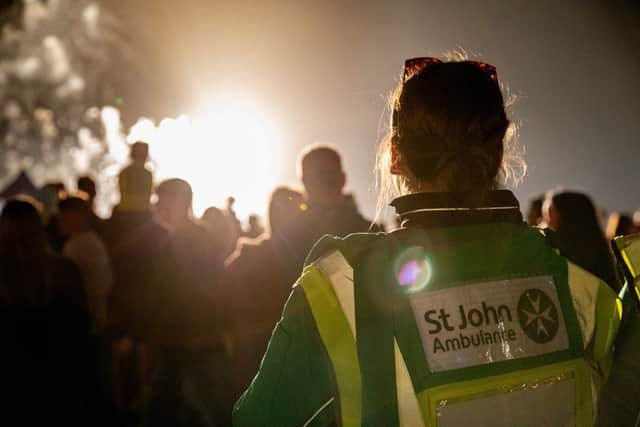

Firework filled festivities are often great fun for adults and children, but they can be prone to accidents and injuries.
St John Ambulance Associate Clinical Director, Sue Hampshire, said: “St John Ambulance wants everyone to enjoy events such as Diwali, Halloween and Bonfire Night, but it’s also important to us that people know how to keep themselves, family and friends safe.
“St John Ambulance volunteers regularly provide support at community Diwali and Bonfire Night events across the country, but they are not able to attend private gatherings, so if you’re lighting fireworks, sparklers, candles or bonfires, please take care and follow safety guidance. If someone does get hurt, even slightly, knowing how to respond can make a real difference. And remember—if the injury is serious, always call 999 straight away.”
First aid is very easy to learn, and you never know when you might need to use it. Here is some important fire-related first aid advice for those looking to stay safe while enjoying the celebrations:
Firework First Aid
Burns and scalds If someone suffers a burn: · Move them away from the source of heat or danger, provided it is safe to do so. · Cool the burn under cool running water for at least 20 minutes as soon as possible. · Remove jewellery and clothing near the injury unless it is stuck to the skin. · After cooling, loosely cover the burn with a sterile non-fluffy dressing or clean cling film. Do not wrap it tightly around a limb. · Do not apply creams, lotions, butter or other substances to the burn. · Do not burst blisters or remove skin that has been damaged. · Keep the person warm while taking care not to cover the injured area. · Seek medical advice for significant burns, including deep or extensive burns, burns involving the face, hands, feet, genitals or major joints, and burns in young children or where you are concerned about the person’s condition. · Call 999 for severe or life-threatening burns, particularly where there is extensive or deep tissue damage, significant facial injury, difficulty breathing, or other serious injury. Something in the eye Fireworks and other celebrations can result in debris entering the eye or cause more serious eye injuries. If something gets into someone’s eye: · Tell them not to rub the eye, as this could cause further damage. · If the object is loose and can be safely flushed away, gently rinse the eye with clean water, for up to 20 minutes if a chemical is involved. · Encourage the person to blink naturally rather than attempting to remove an object themselves. · Do not try to remove anything that is embedded in or penetrating the eye. · Do not press on the injured eye or place pressure directly over it. · If an object is embedded, the eye has been struck by a firework or other high-velocity object, there is significant pain or loss/change of vision, seek urgent medical attention. · If the injury appears serious, call 999. Smoke inhalation Smoke from bonfires, fireworks and other fires can irritate the airways and, in some circumstances, cause serious injury. If someone has inhaled smoke: · Move them away from the source of smoke and into fresh air if it is safe to do so. · Keep them calm and allow them to adopt a comfortable position, particularly if they are having difficulty breathing. · Monitor their breathing and level of responsiveness. · Call 999 if they have difficulty breathing, become confused, drowsy or unresponsive, develop a persistent cough or other concerning symptoms, or if you suspect significant smoke inhalation. · If they become unresponsive and are not breathing normally, call 999 and start CPR, following the emergency call handler’s instructions. Keep celebrations safe A few simple precautions can help reduce the risk of injury: · Follow the manufacturer’s safety instructions when using fireworks, sparklers and other products. · Keep children supervised around fireworks, flames and candles. · Keep a safe distance from fireworks and bonfires. · Never return to a firework once it has been lit or failed to ignite. · Keep suitable first aid supplies and access to clean running water available. · Make sure everyone knows where to go if a fire or other emergency occurs.