
Mansfield vets shares how to tell if your dog is travel sick
Mansfield vets shares how to tell if your dog is travel sick
As families across the UK prepare for summer holidays, a Mansfield Woodhouse veterinary practice is urging local pet owners to be aware of the often-overlooked signs of car sickness in dogs - many of which are easy to miss.
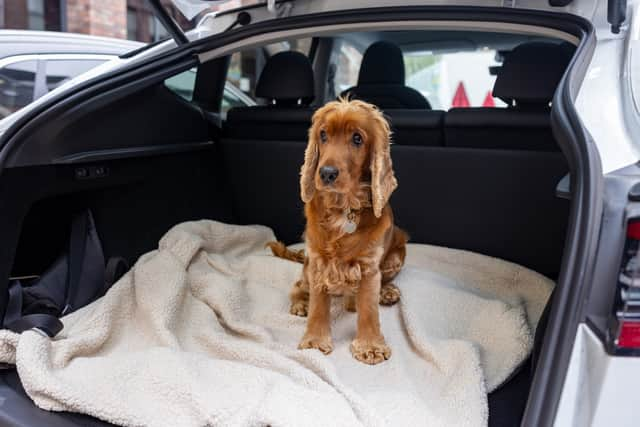

While most people associate travel sickness with vomiting, veterinarians at Carrick Veterinary Group on Old Mill Lane Industrial Estate say more subtle behaviours - like lip licking, excessive yawning, restlessness or panting - can be early indicators that a dog is feeling unwell during a journey.
“These signs are often mistaken for excitement or nervous energy,” says Zoe Read, Practice Manager at Carrick Veterinary Group. “But in many cases, they’re actually early warning signs that a dog is experiencing motion sickness.”
Travel sickness is particularly common in younger dogs, but it can affect pets of all ages. For many, it’s linked to both motion and anxiety - meaning symptoms can begin even before the car starts moving. Other signs to look out for include; drooling more than usual; whining or vocalising; refusing to get into the car; and sitting still or appearing withdrawn.
“If left unmanaged, travel sickness can worsen over time, with some dogs becoming increasingly reluctant to travel altogether,” Zoe adds.
Carrick Veterinary Group recommends a number of simple steps to reduce the risk of travel sickness, including gradually building up journeys, starting with short drives, ensuring good ventilation in the car, avoiding large meals before travel; and using familiar bedding or toys for comfort.
“Recognising the early signs can make a huge difference,” Zoe says. “With the right approach, most dogs can learn to travel comfortably and confidently.”