
How AUTODOC has changed the online auto parts market in Europe

The way European drivers buy car parts has changed more in the last decade than in the previous 50 years.
The old model of “call the local garage, wait for an order, pay whatever they ask” is giving way to something faster, more transparent, and far better stocked. This isn't just about convenience. It reflects a structural shift in the automotive aftermarket that touches pricing, availability, and which parts drivers can realistically get their hands on.
When your only option was the bloke down the road
Not long ago, sourcing a replacement part meant either trusting your local motor factor or paying a dealership's premium. Cross-border options existed on paper, but navigating compatibility, logistics, and returns made them impractical for most people. You bought what was available nearby, at whatever price was on the shelf.
Online platforms changed that calculation. By pulling together inventory from multiple suppliers and applying structured fitment data matching parts to specific makes, models, and engine variants they took most of the guesswork out of the process. Drivers who once spent weekends calling round now find what they need in minutes.
Data from AUTODOC one of Europe's most established online auto parts retailers, shows how far this shift has already gone. Their Marketplace alone offered over 1.2 million items in 2025 and processed more than 190,000 orders across European markets, a scale that took traditional distributors decades to approach, reached through digital infrastructure in a fraction of the time.
More sellers, fewer compromises
The multi-seller marketplace is the next logical step beyond the single-retailer catalogue. Instead of one company holding all the stock, local specialists and regional distributors list their inventory on a shared platform. Buyers get a broader range; sellers reach a larger audience without needing to build their own e-commerce operation.
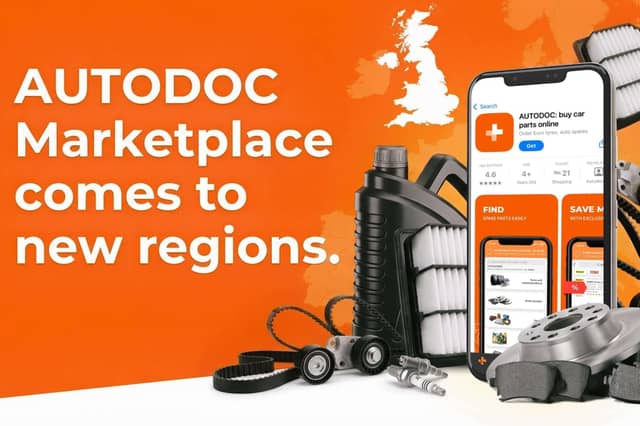
AUTODOC expanded this model across ten European markets in 2025, most recently in the UK. Bringing local sellers into a pan-European system means buyers get continental range without the continental wait. The product mix has also widened electronics, mobility accessories, and lifestyle items now sit alongside brake pads and oil filters, reflecting how the definition of "what drivers need" keeps shifting.
A mechanic's view on why waiting costs money
The supply chain problem isn't abstract — it has a direct price tag for anyone running a professional workshop. Stanislav Prokhoda, Supervisor of Technical Care at AUTODOC and an automotive expert in diagnostics and warranty management, puts it plainly: "When a car sits dead on a lift, you lose money. It's that simple."
In the same post, he frames the root cause without much diplomacy: "The European aftermarket still relies on a dinosaur supply chain." Manufacturer to distributor to national warehouse to workshop one wrong delivery anywhere along that chain can mean three days of standing around waiting. Tech platforms sidestep this entirely, linking local sellers and logistics in a single system rather than stacking intermediaries on top of each other.
The part that fits on paper but not in practice
This is where a lot of drivers get burned, and it's a problem that cuts across virtually every online auto parts retailer. A part listed as compatible with your vehicle isn't always compatible with your specific variant. The same make and model sold across different years or trim levels can have meaningfully different engine configurations. Most platforms ask for make and model, then stop there. That's often where the trouble starts.
AUTODOC takes a different approach. Their search runs in three steps: make, then model, then engine. That third step narrows the results considerably and weeds out parts that look right on screen but wouldn't fit in the bay. Fewer wrong orders, fewer returns, fewer wasted afternoons.
For drivers who can't find their exact model in the catalogue older cars, less common imports, non-standard configurations there's also a search by registration plate. Type in your number plate and the system pulls up the registered vehicle specification automatically. If there's still uncertainty, the support team can confirm the right part before anything gets ordered. It's a practical safeguard that plenty of platforms don't bother to offer.
The direction of travel is pretty clear
The European parts market isn't going back. As online platforms consolidate, fitment data improves, and local sellers plug into pan-continental networks, the market keeps moving in one direction rewarding buyers who know how to use these tools and putting real pressure on suppliers who can't keep up. For drivers across the UK, that competition has already arrived. Sometimes, it turns up the next morning.
Find out more
If you’re looking for parts, then make AUTODOC your first stop.