What's happened to Mansfield and Ashfield's former collieries?
By Andrew Topping
Published 13th Sep 2019, 14:50 BST
It is not all that long ago that tens of thousands of men in Nottinghamshire worked down coal mines.
Just a few years after the last of the pits closed and there is now almost no visible trace of the once-colossal infrastructure which once supported the industry. Your Chad has taken a look at what was there before, and what there is now on the sites of some of the area’s biggest former coal mines.
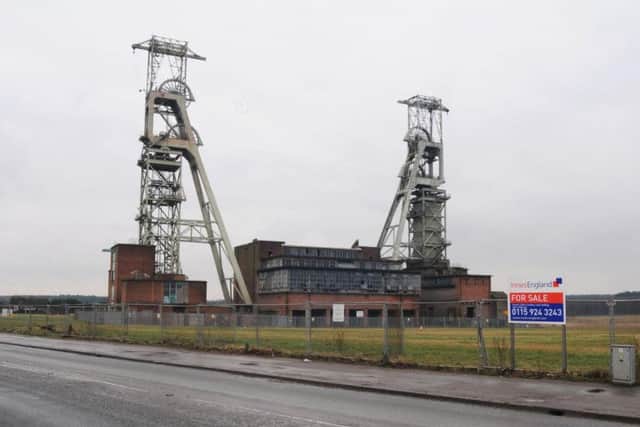
Clipstone Colliery
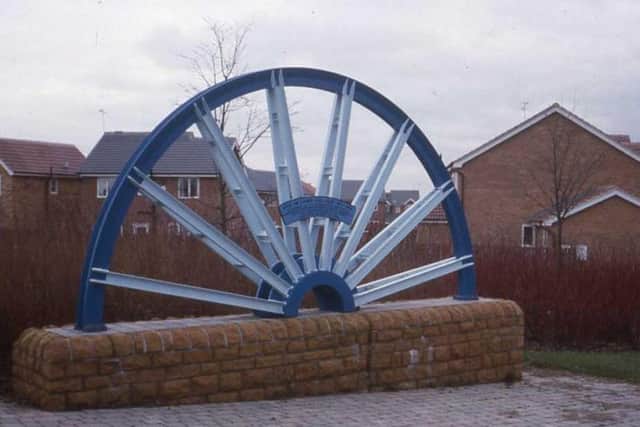
Both Hucknall collieries helped serve the entire town, creating jobs, wealth and, in turn, a whole community for 125 years. All that remains of the pit sites, which are now unused, is a small colliery wheel at the former entrance of Hucknall No 2.
Right on the border with Derbyshire, Brinsley might have been one of the first to close, but certainly has one of the best claims to fame - DH Lawrence.
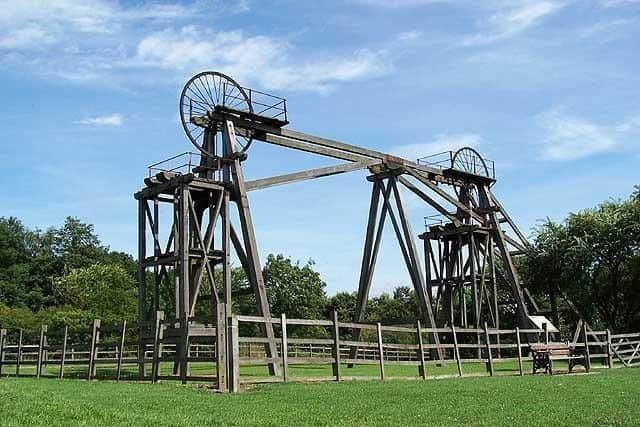
Its now a picnic site and conservation area next to the A608, with the restored headstocks still preserved more-or-less where the originally were.
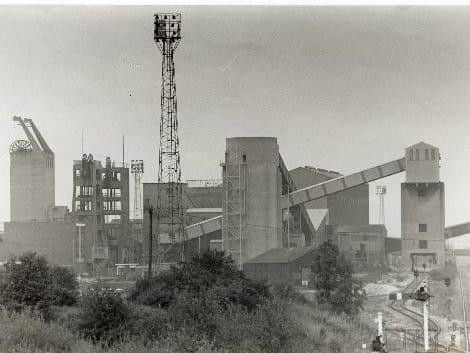
Linby Colliery, just north of Hucknall in the former NCB South Nottinghamshire Area, finished production more than 31 years ago, on March 25, 1988. Linby Colliery, just north of Hucknall in the former NCB South Nottinghamshire Area, finished production more than 31 years ago, on March 25, 1988.
Silverhill Colliery, based in Teversal, was one of Nottinghamshires most productive pits until it stopped production in 1992. In 2005 Nottinghamshire County Council declared the man-made mount of Silverhill Wood the highest point in the county when they unveiled a sculpture of a miner on the landscaped spoil heap.
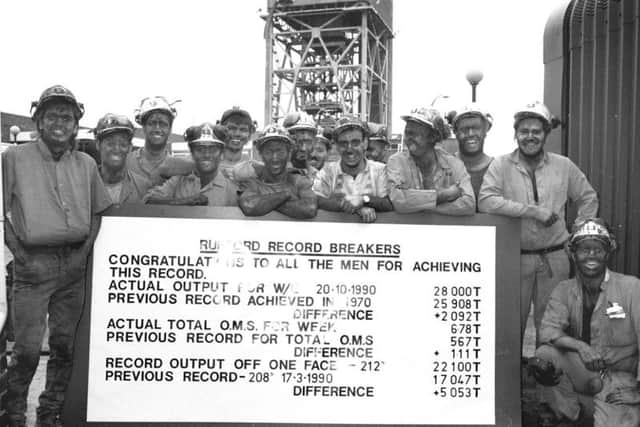
Until the sinking of Rufford Colliery, Rainworth village consisted of a couple of farms, several small homes and a pub. In 2017, four planning applications were submitted to Newark and Sherwood District Council to conduct coal recovery at the site, which subsequently look place. But since its closure the site has mostly remained unused.
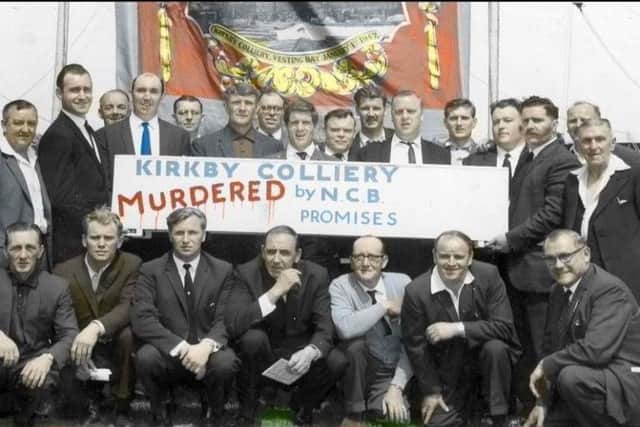
Kirkby Summit was one of the earliest-closing collieries in our area, with its last production of coal taking place in 1968. The site is now part of an industrial estate near Coxmoor Road, and nearby there is Summit Park - which is due to see a national business bring 1,800 jobs to the area.
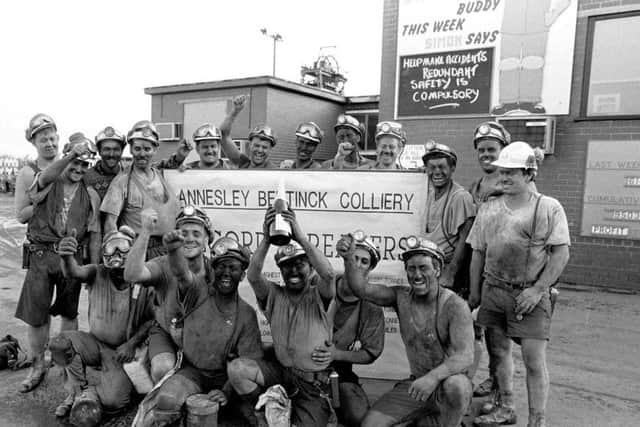
The pit was born out of the merging of Annesley and Bentinck collieries when both became part of the National Coal Board in 1947. The historic headstocks were destroyed at Annesley between 2008 and 2009, despite the Annesley Conservation Trust receiving 12,000 for its upkeep just two years earlier.
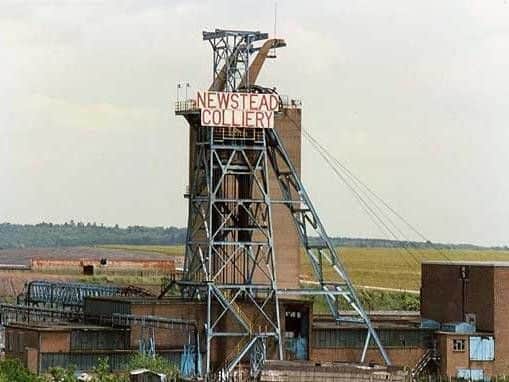
Newstead Collierys history began in 1874 when two 13 ft diameter shafts were sunk by the Newstead Colliery Company, close to Newstead Abbey - once the home of Lord Byron. The former mining location has now been redeveloped into a nature reserve and business park. Hazelford Way Industrial Estate is home to several large companies.
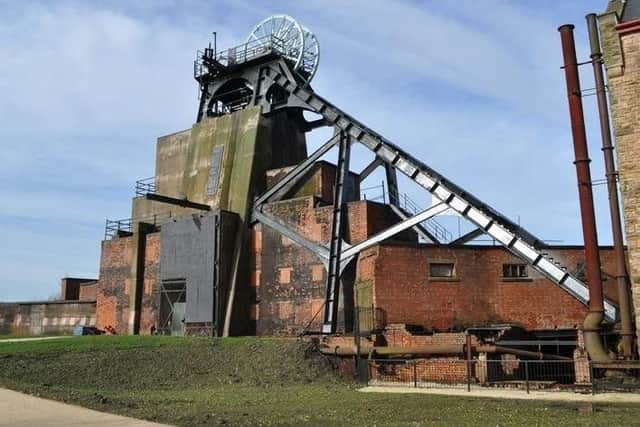
One of our areas oldest collieries, Pleasley was sunk in the 1870s by a company owned by William Edward Nightingale, father of famous nurse Florence Nightingale. 'Now it is a museum around the historic headstocks, with a nature reserve.