What's happened to all of Mansfield and Ashfield's former colliery sites?
By Andrew Topping
Published 4th Sep 2019, 10:43 BST
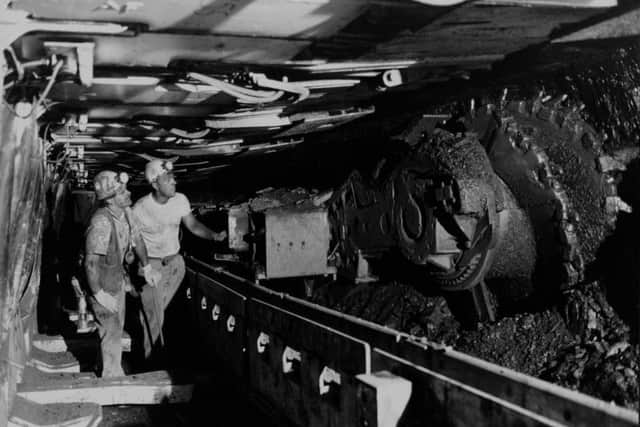
It is not all that long ago that tens of thousands of men in Nottinghamshire worked down coal mines.
Just a few years after the last of the pits closed and there is now almost no visible trace of the once-colossal infrastructure which once supported the industry. Your Chad has taken a look at what was there before, and what there is now on the sites of some of the area’s biggest former coal mines.
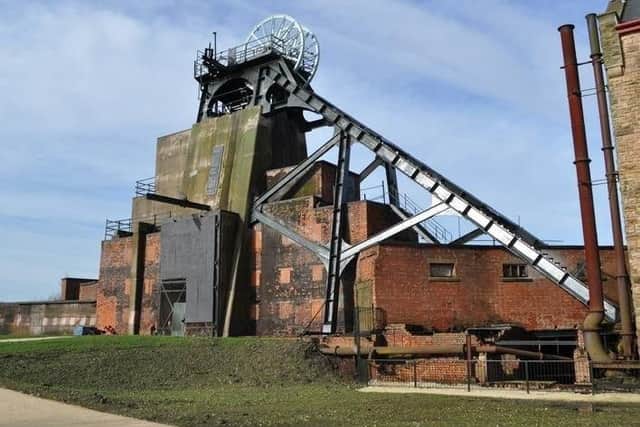
One of our areas oldest collieries, Pleasley was sunk in the 1870s by a company owned by William Edward Nightingale, father of famous nurse Florence Nightingale.
Now it is a museum around the historic headstocks, with a nature reserve.
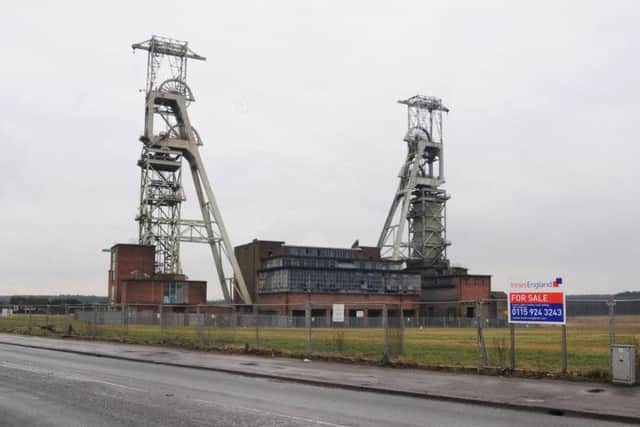
The last of the Nottinghamshire mines to close, the final piece of coal was extracted in July 2015.There are now plans to build up to 800 homes and a large business park on the site. The development also includes a retirement village, school, facilities and 350-acre country park.
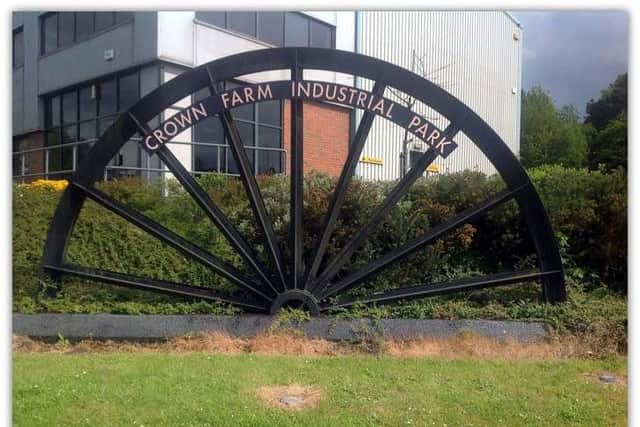
Now one of Mansfields largest industrial estates, the site of the former Mansfield (Crown Farm) colliery was once one of the towns most productive pits. The pit closed in 1988 and was demolished in 1989, before being converted into an industrial estate which boasts some of the towns best manufacturers.
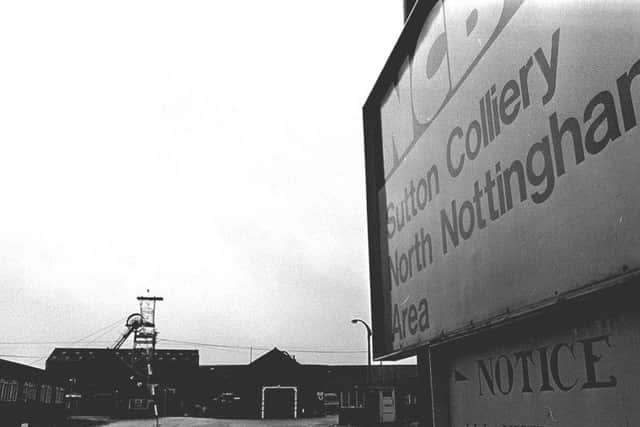
Now home to the much-loved Brierley Forest Park, Sutton Colliery was one of Ashfield's most productive mines. The site, which now hosts a visitor centre, paths and a local nature reserve, was closed in 1989.
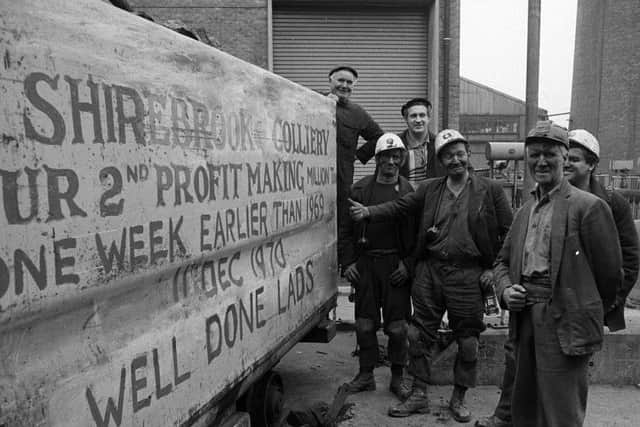
Once a 600-yard deep site until its 1993 closure, Shirebrook Colliery was the life and soul of the village community - providing jobs, homes and shops for Shirebrook residents. Based at the headquarters for sportswear distribution company Sports Direct, the site had two shafts - both 18-feet in diameter.
Once a 1,000-yard deep colliery, this mine closed in 2003. Its towering headstocks and powerhouse are both Grade II-listed buildings and make up part of the Vicar Water Country Park.