
Doctor Batt was investigating Stable Court in the Welbeck Estate when she discovered that, at some point during the 20th century, several stalls had been retrofitted with solid partitions – and inside these sections, she found hundreds of drawings, notes, and markings left by soldiers between 1939 and 1944.
Most of the graffiti seems to have been created by soldiers who were imprisoned in the stables after being convicted by court martial for minor offenses, such as absence without leave.
The markings typically follow a similar format, providing a name, military service number, and length of confinement.
However, there are also many other types of graffiti present, including drawings of cats, tanks, self-portraits, pin-up girls, insults, warnings, and lines of poetry.
Collectively, these markings represent a historically significant portrayal of both the collective and individual experiences of soldiers training in the Dukeries area before their deployment.
They offer intimate insights into moments of frustration, boredom, anxiety, camaraderie, humour, and creativity during a time of intense global conflict.
Welbeck Estate shared the discovery with their followers on Facebook, commemorating the 80th anniversary of VE Day with a post at www.facebook.com/welbeckestate.
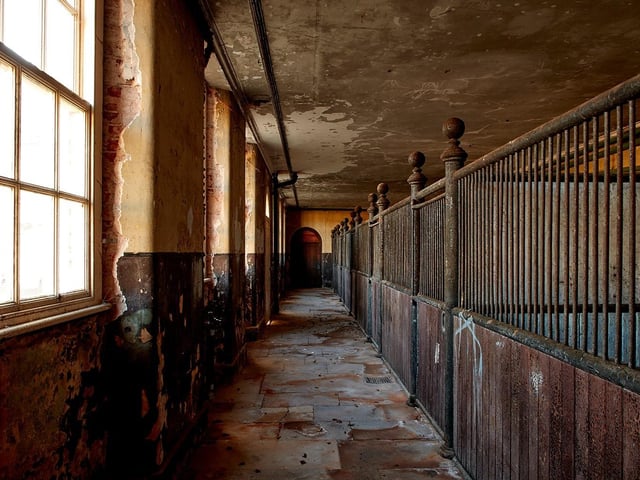
1. Stable Court
Stable Court, located in the private Welbeck Village. Image by Rob Smalley/Welbeck Estate. Photo: Rob Smalley/Welbeck Estate.
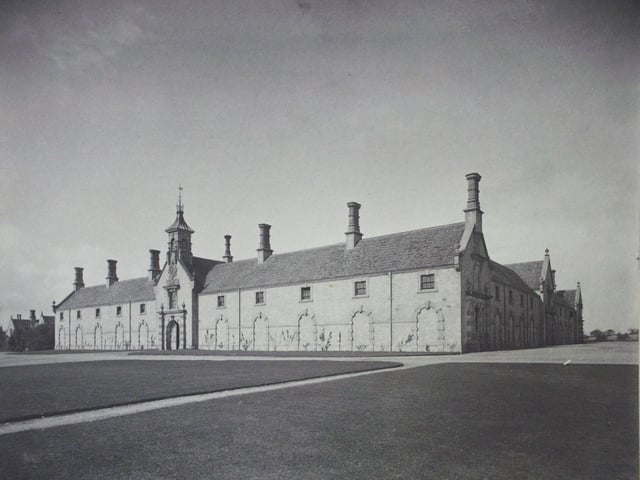
2. Welbeck
Stable Court was one of the earliest buildings in the 5th Duke of Portland’s architectural endeavours. Photo: Welbeck Estate
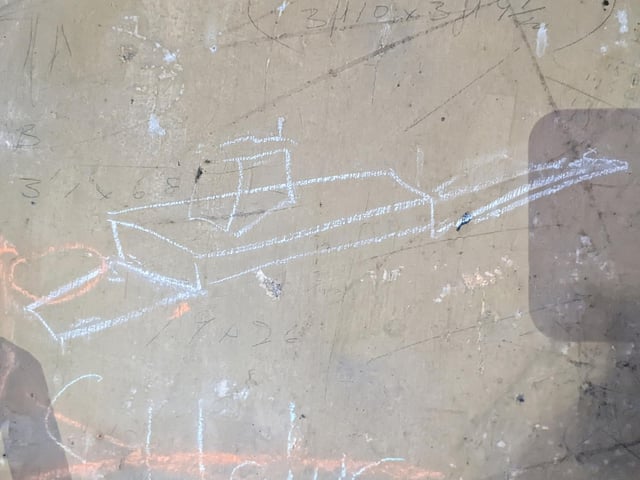
3. Illustrations
Most of the graffiti appears to have been left by soldiers undergoing periods of imprisonment in the stables following conviction by court martial for minor offences, such as absence without leave. Photo: Welbeck Estate
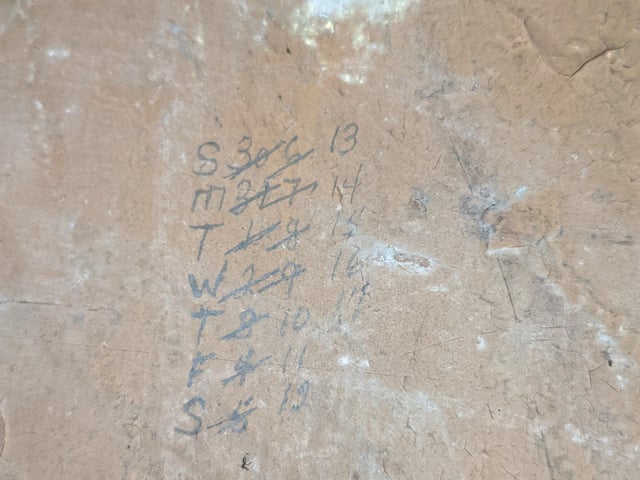
4. Part of history
The markings follow a similar format, giving a name, military service number, and the length of confinement. Photo: Welbeck Estate