
As of 2025, the world population is currently estimated to be over 8.2 billion people.
World Population Day, observed annually on July 11 every year, is an event established by the United Nations Development Programme to raise awareness about global population issues.
It specifically focuses on topics such as family planning, gender equality, poverty, maternal health, and human rights.
The day was inspired by public interest in ‘Five Billion Day’, which marked the approximate date in 1987 when the world's population reached five billion.
Let’s take a closer look at the population figures for districts in the North Nottinghamshire area and some interesting facts using recent census data
A census is a count of a population, often including demographic information about individuals and households.
In the UK, the Office for National Statistics (ONS) conducts a census every ten years to gather this information across England and Wales.
Are any of these findings surprising to you?
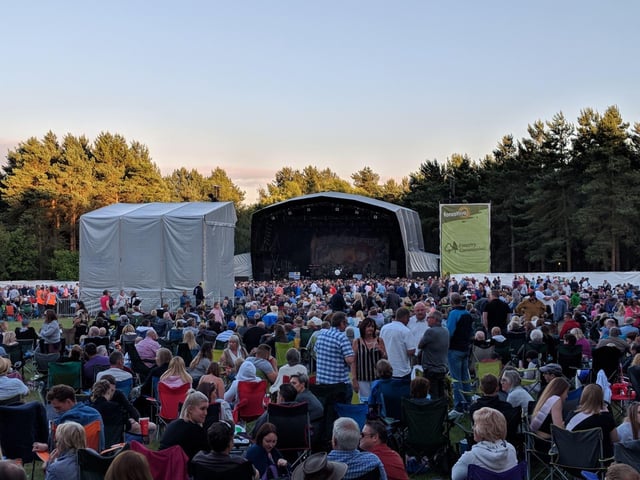
1. Crowd
Image: Forest Live at Sherwood Pines 2018 by Visit Nottinghamshire. Photo: Visit Nottinghamshire.
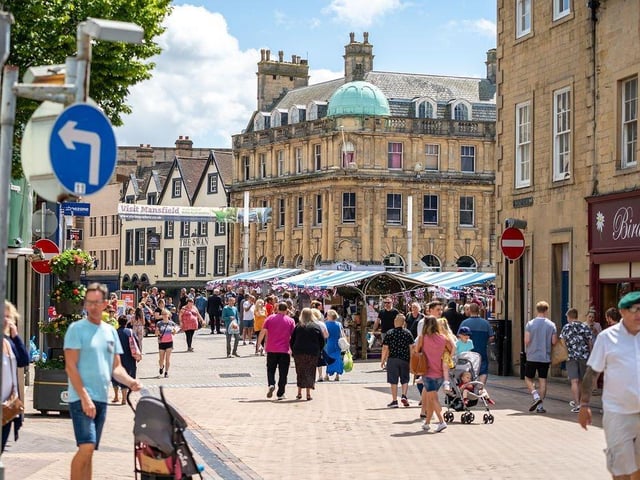
2. Mansfield
The resident population of Mansfield district in 2021 was 110,482. This reflects a 5.8 per cent increase since the 2011 census when the population was approximately 104,500. Mansfield's population density is relatively high, with about 10.3 people per area the size of a football pitch. The district has a nearly even gender distribution, with 54,393 males (49.2 per cent) and 56,089 females (50.8 per cent). The most prevalent age group is 55-59, comprising 7.3 per cent of the population. Mansfield ranks 14th out of 29 districts in the East Midlands in terms of population size. Photo: Mansfield Council
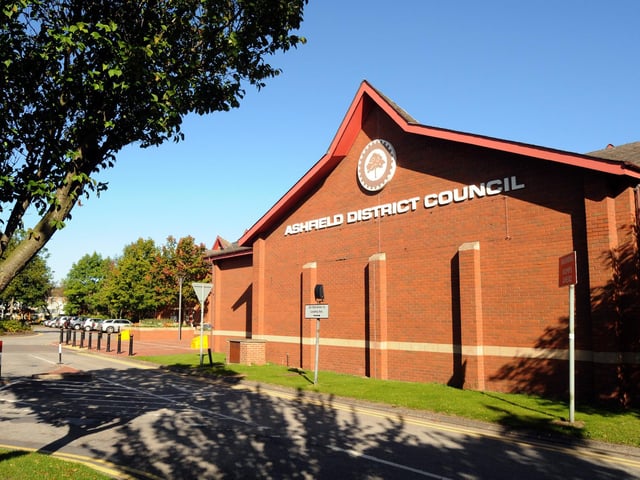
3. Ashfield
Ashfield's population increased by approximately 6,800 between the last two censuses conducted in 2011 and 2021. This represents a growth of 5.7 per cent, with the population rising from around 119,500 in 2011 to about 126,300 in 2021. During this same period, the average (median) age in Ashfield also increased by one year, rising from 41 to 42 years. In 2021, 18.9 per cent of households in Ashfield consisted of couples without children, a decrease from 20.2 per cent in 2011. Photo: Ashfield Council
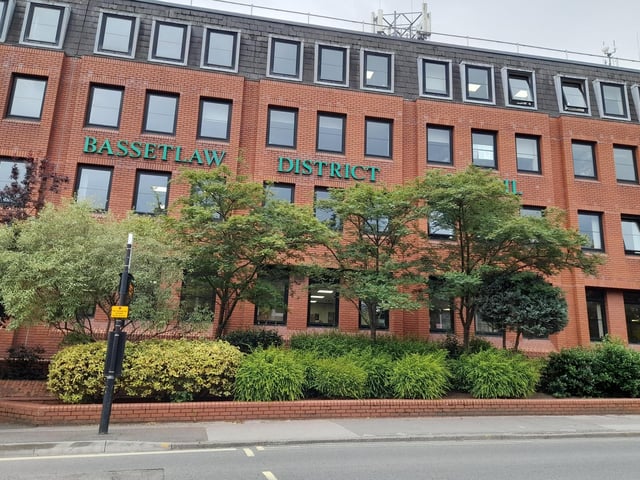
4. Bassetlaw
Between the last two censuses (held in 2011 and 2021), the population of Bassetlaw increased by 4.4 per cent, from around 112,900 in 2011 to around 117,800 in 2021. Between the last two censuses, the average (median) age of Bassetlaw increased by two years, from 43 to 45 years of age. This area had a higher average (median) age than the East Midlands as a whole in 2021 (41 years) and a higher average (median) age than England (40 years). Photo: Bassetlaw Council