
Nottinghamshire Police issue Valentine’s warning about romance scams
As couples across the county prepare to celebrate their love, police have issued a Valentine's Day warning about the dangers posed by romance fraudsters.
Scammers from all over the world are successfully stealing tens of thousands of pounds a year from Nottinghamshire residents with a mixture of deception, manipulation and blackmail.
Last year alone detectives recovered more than £1million for victims – including a 71-year-old widow who’d been duped into sending around £70,000 to a man she’d met online.
After gaining her trust and convincing her to invest in a business, the man falsely claimed to have been in an accident and convinced her to send him funds for fictitious medical bills.
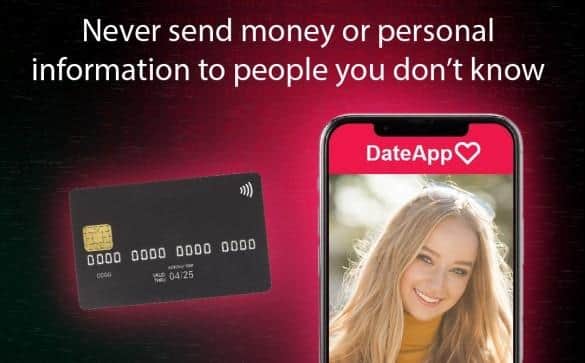

Specialist Fraud and Cyber Protect Officers have now issued a seven-point Valentine’s Day reminder to anybody in a new or developing relationship.
Be suspicious if someone asks you for money; talk to friends and family about it; is the love interest a faraway location, or do they have reasons they can never meet in person; if you’re unsure if it is legitimate, share your concerns with someone you trust; you may be dealing with an online scammer if they request sensitive personal information or money, or insist on speaking on a chat app of their choice; never keep it secret from your family of friend; isolation and dependency are tools scammers use to fleece you; the camera can lie, use Google Lens, Tineye or other Reverse Image search tools if they “love” you within hours, days or a couple of weeks; it’s a tried and tested pattern of fraud and don’t share intimate images, fraudsters could use these for blackmail and fraud.
Detective Sergeant Sally Collins, of Nottinghamshire Police’s Fraud and Cyber Crime Unit, said: “Romance fraud is predominantly an online crime where perpetrators pretend to be something or someone they are not in order to dishonestly obtain money.
“Victims of all ages can be targeted online via social media, online games and dating sites.
“The results can be truly heartbreaking and are measured not just in the loss of large amounts of money – but also in a loss of confidence and self-esteem that goes with it.
“It may not sound very romantic, but the best form of defence here is a healthy sense of scepticism.
“If something is too good to be true it probably is.
“Also if something doesn’t feel right – like an online partner forever making excuses not to meet in person – it also probably isn’t.
“So do take a moment and think if any of the above sounds familiar.
“In the first instance you may wish to speak with a family member of friend if you have concerns, and we are always here to help and advise you.”