
Mansfield man discovers hornet as beekeepers issue biodiversity warning
A Mansfield man suspected he found a “rare and dangerous” hornet on World Bee Day; however, it was actually a European native hornet, serving as a stark reminder of the importance of biodiversity across the community.
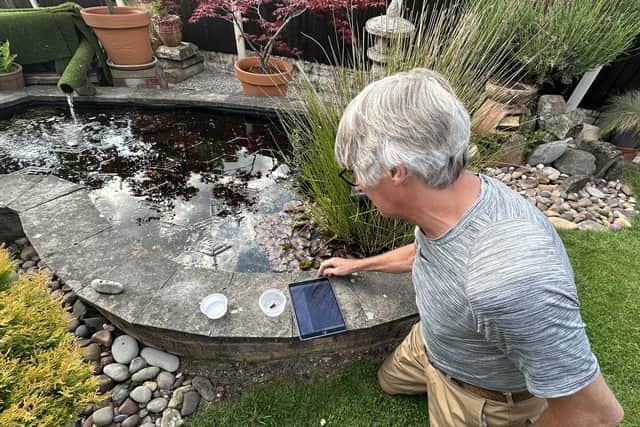
The suspected Asian hornet was discovered by a pond at Alan Hunt's home in Warsop.
Surprisingly, Mr Hunt encountered the hornet on Tuesday, (May 20), which was World Bee Day.
Since sharing about the finding, Sara Stewart, outreach officer for British Beekeepers' Association, confirmed the hornet was a European Hornet and is therefore ‘harmless’.

Sara added: “It is really important that people are vigilant but that correct identification is made otherwise our native species will be unnecessarily targeted.”
Mr Hunt said: “While I was out in the garden, I came across what I believed to be an Asian hornet near my pond.
“I've heard on the news about the dangers they pose to biodiversity here in the UK, so I reported it immediately.”
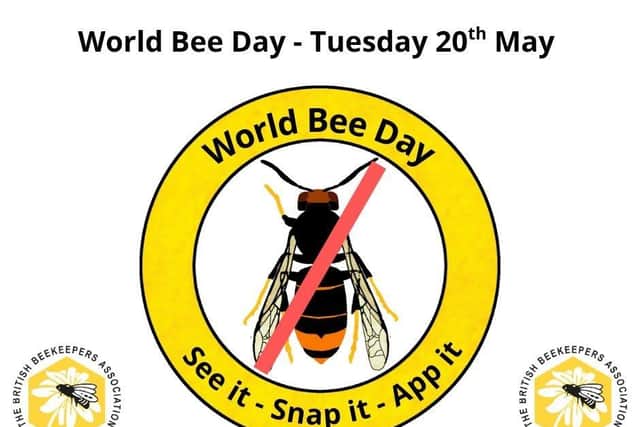
As part of World Bee Day's awareness resources, the British Beekeepers Association (BBKA) shared a post encouraging support for honey bees in the UK, by reporting sightings of yellow-legged Asian hornets.
While honey bees are not endangered, the association has observed many threats to their well-being.
A significant concern is the yellow-legged Asian hornet (YLH), an invasive non-native species that has rapidly spread across Europe and now poses a threat to UK biodiversity, particularly in 2025.
To combat the threat, there is a government-backed eradication campaign now underway, as the association has encouraged public assistance to identify and report sightings.
A BBKA spokesperson said: “Without your help, we fear that the Yellow-Legged Hornet (YLH) may become established, posing the greatest threat to honey bees and beekeeping in a generation.”
What to do if you find an Asian hornet
- See it – look for a large, dark insect, about the size of a 2p coin, with yellow legs and a single orange band near the rear.
- Snap it – take a clear photo of the insect from a safe distance.
- App it – report any sightings using the free Asian Hornet Watch app (available on Apple and Android) or by emailing [email protected] or via https://risc.brc.ac.uk/alert.php?species=asian_hornet.