
I went deep underneath the streets of Nottingham to discover a wonderful world of history

When you head into the centre of Nottingham these days it feels like a city that’s undergoing plenty of change.
You will find a city centre where millions of pounds is being ploughed into extensive works to transform the historic, and now no more, Broadmarsh Shopping Centre into a new mixed-use urban quarter fit for the modern era.

Visitors will also become quickly immersed into a city full of hustle and bustle and one packed with the sounds of workmen hard at it and busy shoppers going about their daily business in search of the next bargain or must-have item.
But deep under the surface of one of the nation’s elite tourist cities it’s a rather different affair with nothing but the sound of silence and hundreds of years of perfectly preserved history to greet your eyes.
It is here at the popular City of Caves attraction, located under what was the Broadmarsh Shopping Centre, that you will find the UK's largest network of caves with more than 1,000 hidden deep below the surface.
Here visitors are able to discover the largest publicly available section of this vast underground network and wander through fascinating passages teeming with history and life.
The cave corridors have been carved out of sandstone and have been used for a variety of purposes over the centuries such as a tannery, public house cellars, and an air raid shelter.
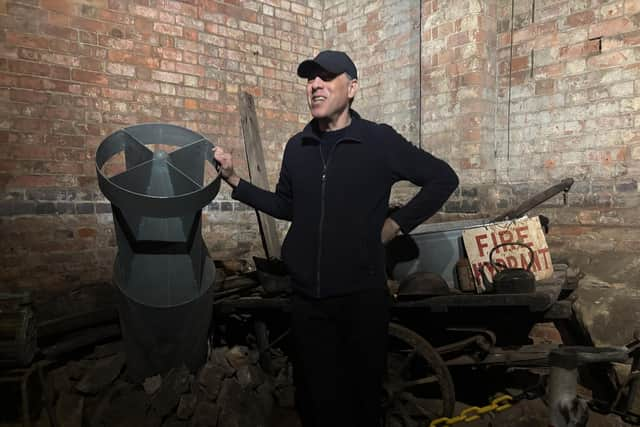
“Our earliest written record of people living in caves goes back to before 900 AD, over a 1,000 years ago,” said my guide Neeno, who has been offering interesting tours of the caves for seven years now.
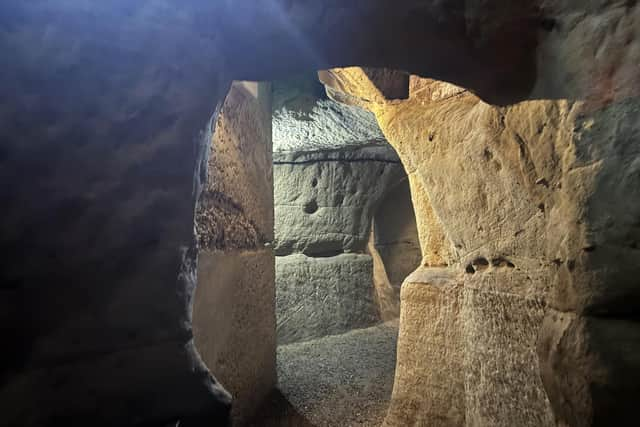
“People used to use these caves as cold storage areas to keep food fresh in the summer.
“During the winter they would get the snow and the ice from outside, bring it into the caves and pack it in really tightly so that you had a cold food store in the summer months.
“It could be a baking 30c outside or it could be a freezing temperature, but it will always be a constant temperature of around 12c in the caves.
“It really is a fascinating story that we have here. There is lots of history and it is really interesting to hear about the different ways that people lived underground.”
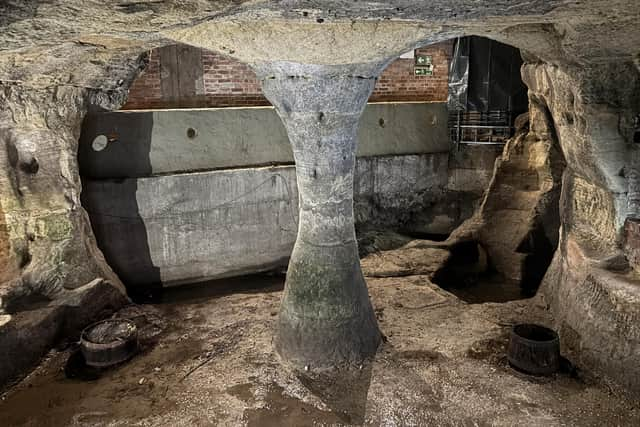
The captivating caves are some of the oldest remaining in the city, with pottery finds dating some of them all the way back to somewhere between 1270 and 1300.
It seems rather hard to imagine for modern visitors, but the caves were lived in from at least the 17th century until the St. Mary's Nottingham Inclosure Act 1845 banned the renting of cellars and caves as homes for the poor.
None of the caves are natural and are all cut into the sandstone for use as houses, cellars and places of work by the inhabitants of the city.
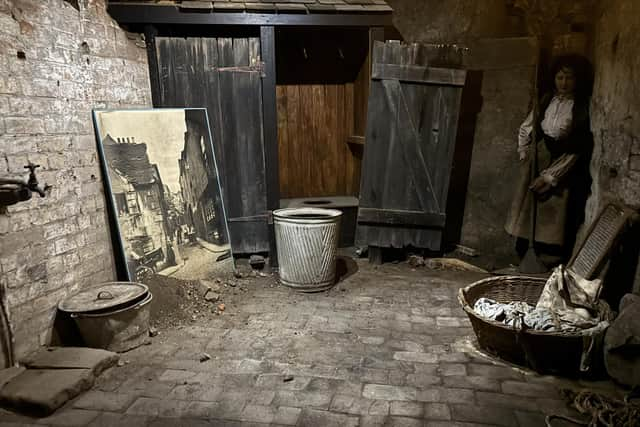
The basement walls here are now all that remains of the buildings of Drury Hill, once a wealthy neighborhood in the medieval city that by the 19th century had degenerated into one of the worst slums in Britain.
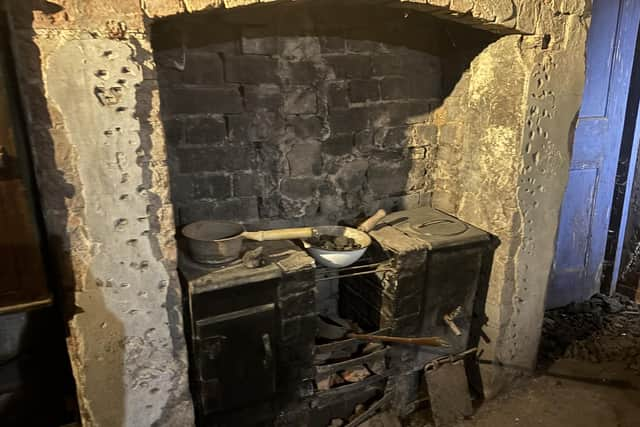
They were something of a place of misery for poor families who slept, ate and lived in the single room basements with overcrowding and poor sanitation making it a breeding ground for cholera, tuberculosis and smallpox.
But, while lives were inadvertently lost back in the 1800s, the caves played a huge role in saving thousands of lives 100 years later.
It was here where thousands of Nottingham’s frightened public spent many nights sheltering from the Luftwaffe in one of 86 public air raid shelters during the horrors of World War II.
They are dark days which are recreated as part of the tour with visitors able to experience life in a specially designed bomb shelter.
For further information, or to book your tickets, visit https://www.nationaljusticemuseum.org.uk/cityofcaves