
I visited the National Civil War Centre to discover more about Nottinghamshire's fascinating role in England's road to democracy

England is becoming an increasingly split nation these days with a variety of societal issues all creating growing tensions and dividing opinions.
Thankfully though those conflicts are usually played out by people bashing each other across social media platforms or getting heated during a parliamentary debate.
It wasn’t always that way of course with passions becoming so inflamed in 1642 that it actually led to all out war being declared.
That infamous day in our nation’s history - 22nd August 1642 to be exact - saw King Charles I raise his battle standard at Nottingham Castle, where he anticipated strong support, and declare war against Parliament.

But it wasn’t to be with Nottingham remaining staunchly parliamentarian and the King being forced to find the support he desperately needed 21 miles to the north east in the town of Newark.
It proved to be a wise choice with this now quaint Nottinghamshire market town remaining on the King’s side throughout and gallantly fighting off three brutal enemy sieges in the process between 1643 and 1646.
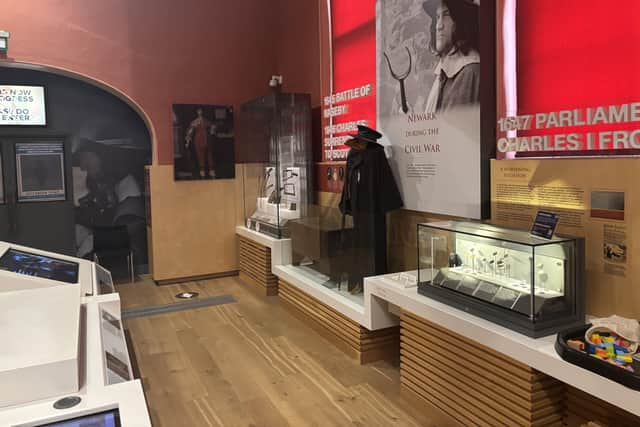
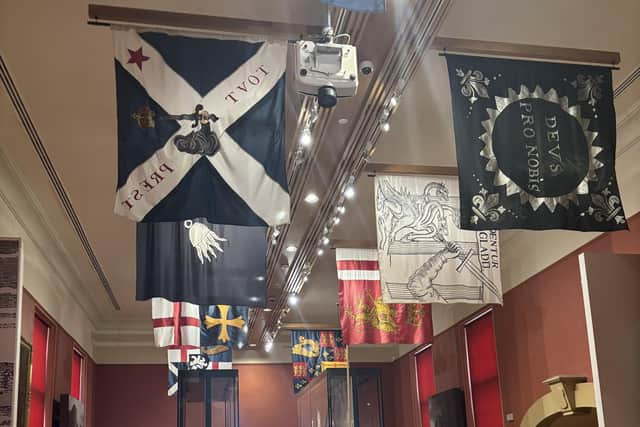
So it is perhaps only fitting that Newark is now home to the National Civil War Centre, where this fascinating period of history and the stories of human suffering are brought vividly to life.
“There would have been no person in the land not affected by this war,” explains Denise Greany, who is a big lover of history and also the centre’s learning and participation manager.
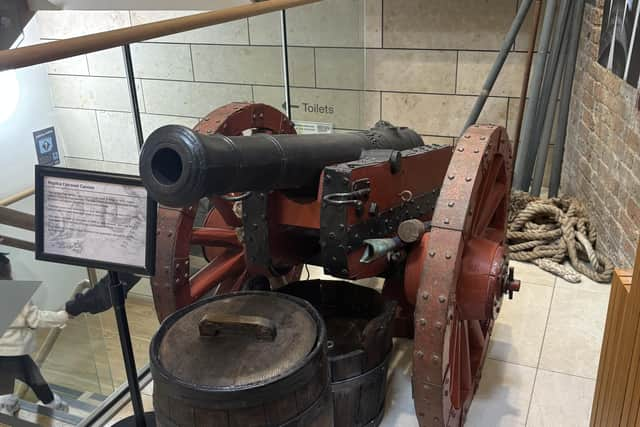
“It travelled to every corner of the land. Whether you were recruited into the army, whether you had a soldier billeted on you, whether you were besieged in an important strategic location or had soldiers coming to your door demanding money because the garrison up the road needed money for supplies and to pay soldiers, you would have been affected by the British Civil Wars.
“We try to cover every aspect of the war. We are really interested in the emergence of propaganda and the first newspapers being created.
“If you come to one of our family days you will find re-enactments on site, really fantastic craft activities, talks, dance, music - all sorts of ways of exploring this period. You can dress up as a soldier, a civilian, be a spy and do all sorts of things. We just try to make sure that we bring the period to life in as exciting a way as we can.”
The English Civil War - now more often known as the British Civil war because of roles Ireland and Scotland played in the conflict - saw forces loyal to Parliament and King Charles I fight it out during a bloody first war, primarily over the correct balance of power between the two.
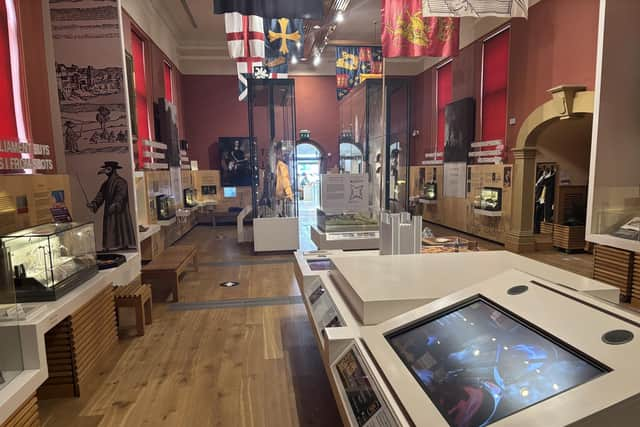
The divisive war, which split families apart and often saw fathers fight on the other side to sons or brothers, ended in June 1646 with a Royalist defeat and the king in custody.
It proved to be somewhat of a hollow victory with Parliamentarian divisions over the nature of the political settlement and Charles’ refusal to make concessions leading to a stalemate.
But the Royalist defeat in the 1648 Second English Civil War resulted in the execution of Charles I in January 1649, and the establishment of the Commonwealth of England.
That led to Oliver Cromwell being named Lord Protector from December 1653 until his death in Sept 1658 - the only time England hasn’t had a monarchy - before the Stuart Restoration in 1660 paved the way for a parliamentary monarchy.
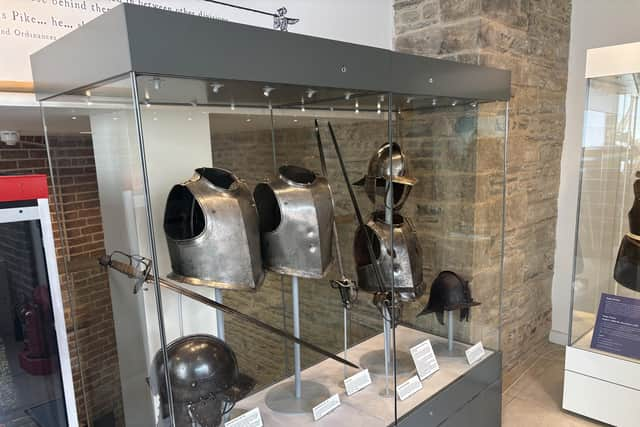
“We have lots of visitors from all over the country who are curious about the civil wars,” added Denise.
“This is the only museum that tells this story. It really is a crucial period of history, a period of history that changed the way that government happened, the way that monarchy is understood - it changed everything.
“There are not many people who will say it wasn’t Charles’ fault. His belief that he was God’s divinely appointed monarch on earth, his inability to co-operate, to negotiate, to allow others to have different views. His need for uniformity, his need to show strength - all of that contributed to this happening.
“There are things you can say that Charles was a little bit unlucky but I think most people will say he was at fault.”
Another thing that most observers of this moment in time will also agree on is that the civil war left a legacy on our nation that still resonates today.
“It changed the way that monarchy is constructed. During the State Opening of Parliament Black Rod knocks on the door because the monarch is not allowed into the Houses of Parliament,” said Denise.
“The monarch has become a constitutional monarch since that time. It has changed how we are governed, it’s changed the status of parliament, it changed the way that parliamentary debate happened and how the press communicate.
“It created a public sphere where people were well read and participated in government and politics.
“There are ideas that were starting to be talked about that the world wasn’t ready for yet, like everyone having a vote. No-one is ready for that but people are starting to say that even the poorest in England are as important as the richer men and they ought to have a say.
“Ordinary people were already well versed in what their rights were, but they didn’t have a vote and their opinions were not represented in a way they are later and I think this was the beginning of a much more democratic way of running a country.”
Visit the National Civil War Centre’s website and facebook page to find out plenty more on events and learn more about history.