
In the midst of a bustling market town and its surrounding villages, visitors can discover a peaceful retreat at local nature reserves (LNRs), which are protected green spaces dedicated to wildlife.
Local nature reserves help to:
- Encourage biodiversity
- Preserve and protect nature and wildlife
- Provide essential green corridors
- Create pleasant areas to visit
- Create opportunities to learn about nature and natural history.
Here are nine of Mansfield district’s nature reserves.
Which ones have you visited?
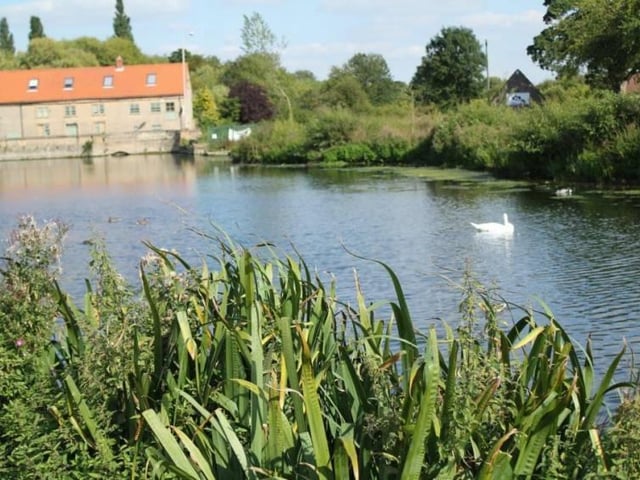
1. The Carrs
The Carrs in Warsop is a large open space that includes a Local Nature Reserve, recreational areas, play areas, a mill pond, and the River Meden. Declared a Local Nature Reserve in 2005, this park was once a water meadow and common land. It is currently managed by Mansfield Council and offers a variety of leisure activities. The River Meden, known for being one of the cleanest rivers in the county, is home to shoals of brown trout. Additionally, there is a well-equipped children's play area complete with picnic tables. Photo: Mansfield District Council
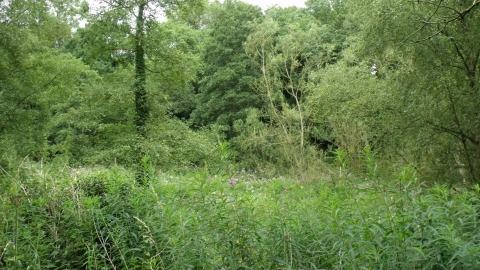
2. The Meden Trail
The Local Nature Reserve is located on a disused railway track and features areas of grassland and woodland. A portion of the site is designated as a Site of Special Scientific Interest (SSSI). It is leased to the Nottinghamshire Wildlife Trust, which manages parts of the area on behalf of Mansfield Council. The reserve contains some of the best remaining calcareous grassland in the county, along with notable examples of calcareous woodland, scrub, and interesting limestone crags and fissures. The River Meden flows through the Vale, providing important marsh and aquatic habitats, with alder trees lining the riverbanks. The reserve is open to the public and is part of the larger Pleasley Trails network. Photo: Nottinghamshire Wildlife Trust
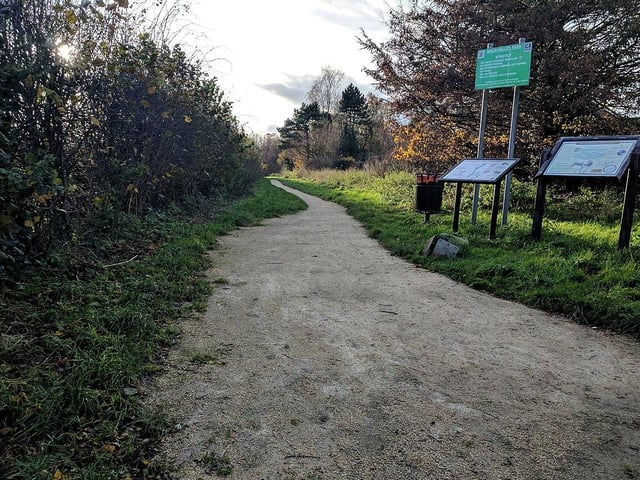
3. Maun Valley Park
Maun Valley Park Local Nature Reserve is the largest reserve in the district, covering 17 hectares of protected habitats along the River Maun, from Bath Lane to New Mill Lane. The reserve features ancient oak woodland, grasslands, water meadows, riverside areas, and wetland habitats. It is divided into two sections, North and South, by Old Mill Lane. Designated as a Local Nature Reserve in 2004, it holds significant value for both local residents and wildlife. The sandy banks and exposures of Sherwood sandstone along the river provide habitats for various insects and numerous types of fungi. The River Maun flows along the western edge of the reserve at the base of the escarpment, and it has played a vital role in the historical development of Mansfield, particularly in supplying water power to a variety of mills. Photo: Maun Valley Park/Submit
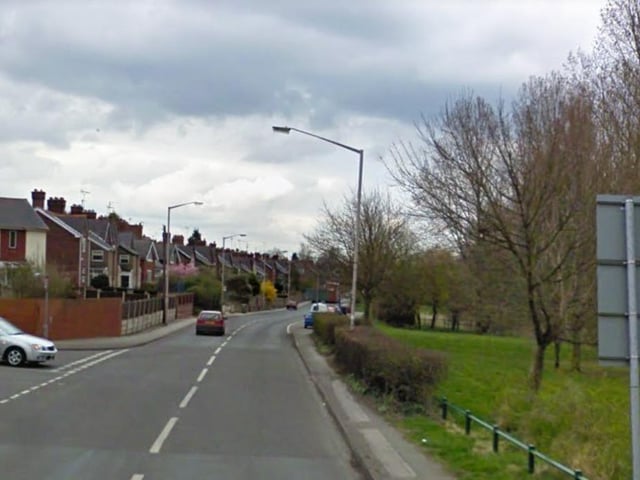
4. The Bottoms
The Bottoms was declared as a Local Nature Reserve (LNR) in 2005 because of its importance for people and wildlife. The River Meden flows through the LNR, forming part of the wildlife corridor that joins Meden Vale to neighbouring green spaces Habitats found at the Bottoms include wet grasslands, wet woodlands and river. The river meanders through the length of this reserve and is flanked on either side by low-lying wetlands. The site can be accessed via several points along Netherfield Lane in Meden Vale and there are three car parks. Photo: Google Maps