And as someone who grew up during the tail end of the Cold War, has read pretty much John Le Carré’s entire catalogue and had dreams of a career in MI5 in his youth, my answer was a resounding, “F***, yeah!”
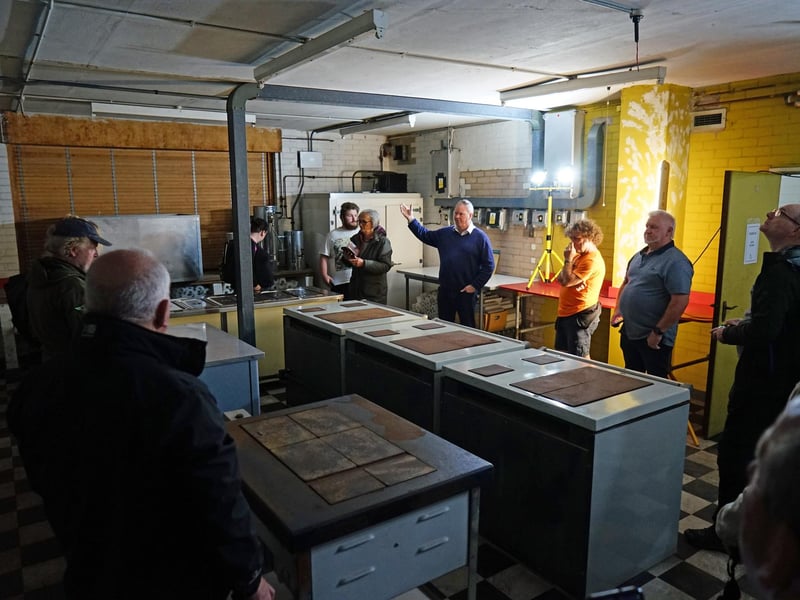
I honestly don’t know what I was expecting, maybe a small room with a couple of creaky camp beds, a small cooking stove and a paraffin lamp, but this place is vast – nuclear protection on an industrial scale.
Nestled away in a quiet residential area on the outskirts of Nottingham, a stone’s throw from Wollaton Park, the building was finally decommissioned in the early 1980s and was used briefly as a storage facility for DEFRA and the Land Registry, before it was finally closed and frozen in time.
I was joined by my colleague Brian Eyre, who shot this video and took these photos, and a bunch of Cold War anoraks who had all paid an arm and a leg for the chance to have a good poke around.
It was first built in the early 1950s – we don’t have exact dates as much of the site’s history is still shrouded in Government ‘cloak and dagger’ – and was initially intended as a bolthole for up to 40 officials, so they could communicate with London and manage regional administration in the event of a nuclear attack.
By the early 1960s, it was decided that in the event of said nuclear strike, London would probably cease to exist, and it was massively expanded to become one of 12 regional command centres around the country. Today, it is the only one that still exists.
Built to house up to 400 people and standing over multiple levels – much or it below ground as you’d imagine – it would accommodate satellite offices for all key government departments and have a central typing pool in it’s main hall, similar in size to a five-a-side pitch.
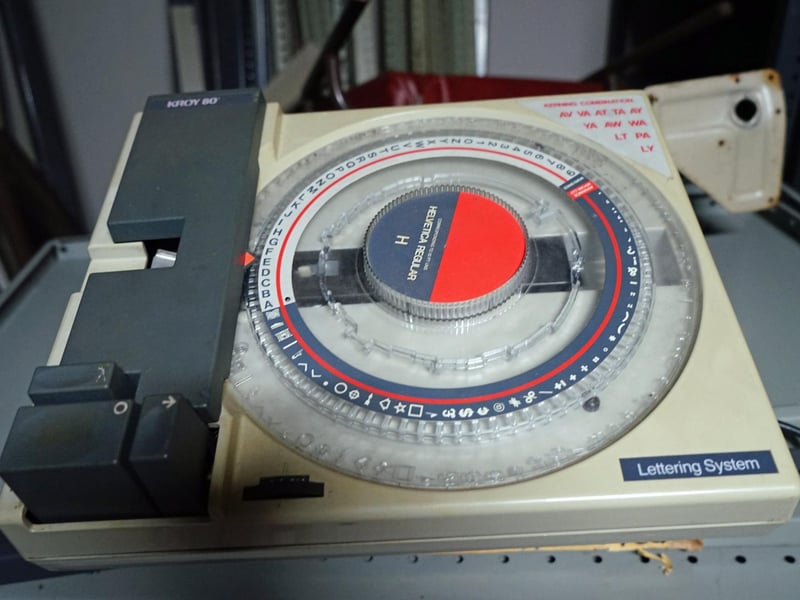
Elsewhere, there is a map room – initially over two floors where developments could be chartered, male and female dormitories and toilet blocks, cellars and recreation rooms.
There is a fully functional and completely intact kitchen area, including a prototype for the first ever dishwasher, with the whole structure riddled with a Lamson’s tubing system – where messages could be whipped around the building with the help of partial vacuum and compressed air.
There is even a BBC room bedecked in sound boarding – the idea being that the corporation could broadcast out to whatever unfortunate sods remained on the outside.
Of the 400 selected, four were to be BEEB employees. This fact, I am sure, will do little to reduce the sense of entitlement evident in your typical BBC staffer.
The reason this has all come to light now is that the former military base the bunker sits on is destined for the development of social housing and, because the building and many of its internal features are grade-listed, they can’t knock it down.
Historic England, which is a stakeholder in the project, had wanted to turn it into a standalone museum, but the prospect was deemed financially inviable, and not conducive to the residential setting that will surround it.
Instead, it is hoped to convert it into a community hub, keeping many of the original features as exhibition pieces. There are plans for a cafe, utilizing the existing kitchen, with fine-dining events on the cards. A charity will occupy parts of the building with other areas set aside for conferencing and meeting spaces, hot-desking facilities and the like.
There are also talks of an art exhibition space, maybe a gym, and even a Warhammer games room in the basement – no doubt to deter any fully functioning member of society from entering its lower depths
The BBC room would be converted into a media studio available to hire by production companies, and floors – some up to to 2m thick – would be cut through to create a central atrium to bring daylight into the structure.
Plans are set to be submitted over the next few weeks and developers are optimistically hoping for a completion date of late 2026.
And in the meantime, if world affairs continue to go belly-up, I, at least, know where to head to if Putin decides to push the button at any point.
- Due to popular demand, Visit Nottinghamshire is looking at organising more tours. To book onto the waiting list, click here
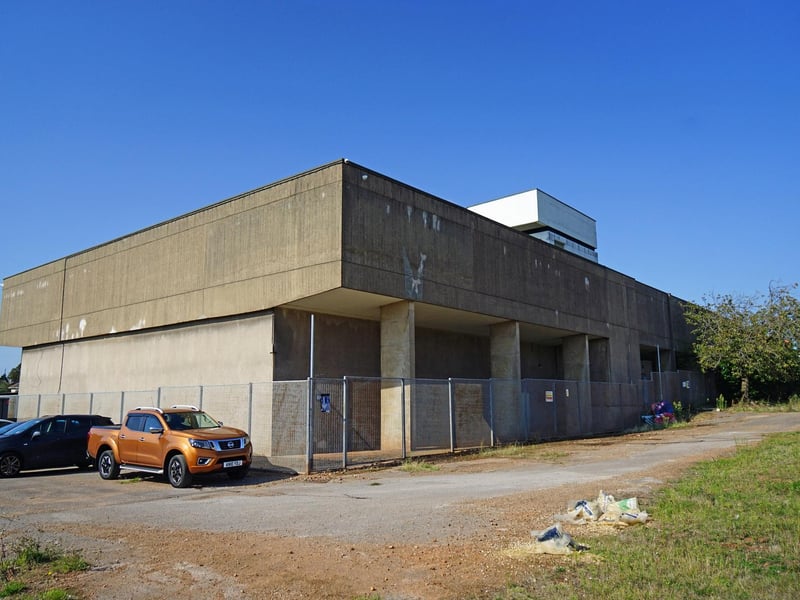
1. Exterior
The nuclear bunker is located in a residential area on the outskirts of Nottingham Photo: Brian Eyre
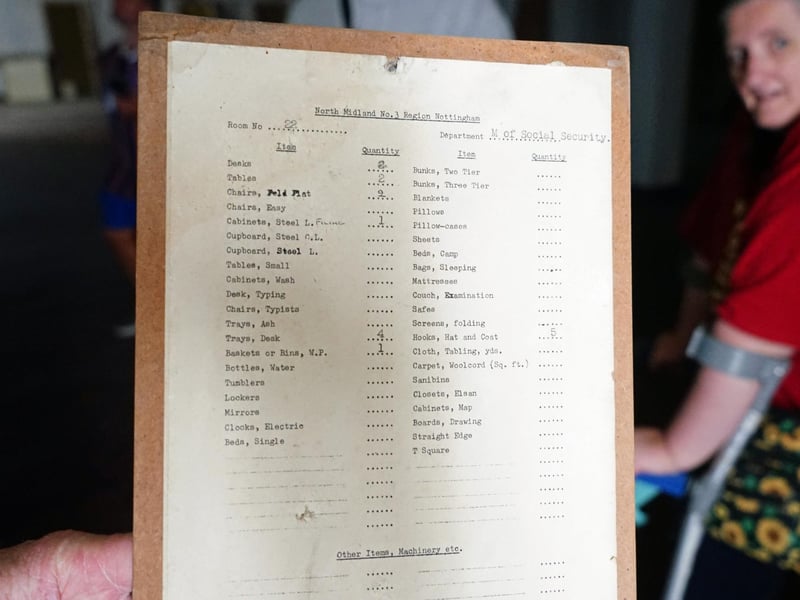
2. First look around Nottinghams war rooms, nuclear bunker.
An inventory of items found at the site. Photo: Brian Eyre