
Could a hosepipe ban be on the horizon for Nottinghamshire?
As the hot weather continues could a hosepipe ban be implemented in Nottinghamshire?
According to the Environment Agency, The East Midlands Area is now in drought, following the driest spring in 132 years. Some Midlands rivers have recorded their lowest June flows since 1976.
The Environment Agency’s director of Water and National Drought Group chair, Helen Wakeham said: “The current situation is nationally significant, and we are calling on everyone to play their part and help reduce the pressure on our water environment.
“Water companies must continue to quickly fix leaks and lead the way in saving water. We know the challenges farmers are facing and will continue to work with them, other land users, and businesses to ensure everyone acts sustainably.

“We are grateful to the public for following the restrictions, where in place, to conserve water in these dry conditions.
“Simple, everyday choices – such as turning off a tap or deleting old emails – also really helps the collective effort to reduce demand and help preserve the health of our rivers and wildlife.”
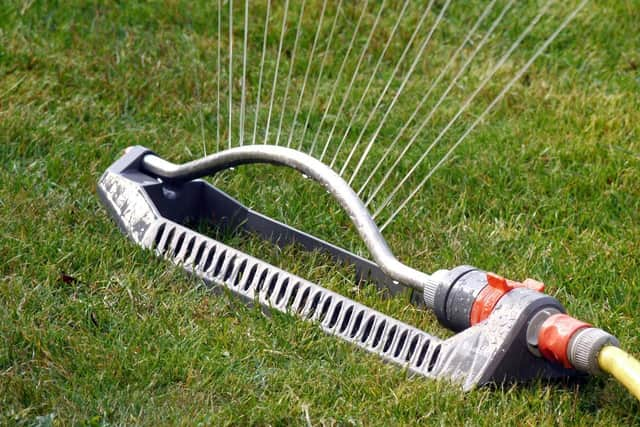
Hosepipe bans have already been implemented in many parts of the UK and it is for water companies to decide whether they are necessary.
A Severn Trent spokesperson said: “We hope everyone is enjoying the summer – perhaps enjoying a great day out at one of our visitor sites, or spending time with family in the garden, while of course still using water carefully – storing rain when it pours in a water butt, or watering plants with paddling pool water when it’s finished with.
“Throughout the summer we have teams working around the clock, moving water around the network to ensure taps keeps flowing.
“We haven’t issued a hosepipe ban in 30 years and we’re confident that our great track record will continue this summer and beyond.
“We’re investing record amounts in new pipes, finding and fixing more leaks than ever and upgrading and developing new treatment works, adding hundreds of millions of litres of drinking water into our network.”