
OPINION: COLUMN: We need a Dyslexia Strategy now


This month, we marked Dyslexia Awareness Week. This year’s theme, raising the volume on dyslexia, was about calling for urgent action.
I added my voice to many campaigners through the British Dyslexia Association’s voice petition, the first of its kind in the UK, and a novel way of drawing attention to how people communicate in different ways.
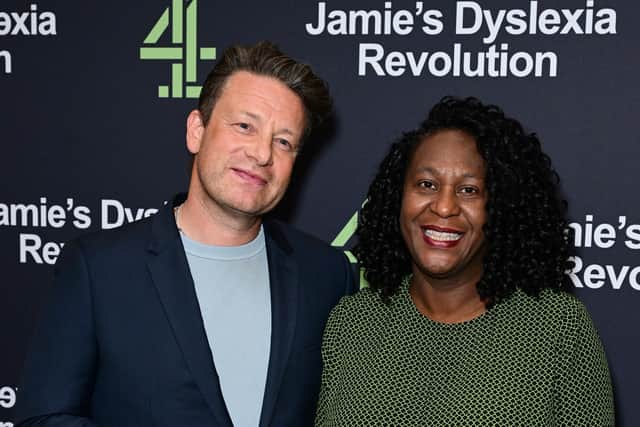
The campaign to reform how our education system addresses dyslexia has picked up momentum since Jamie Oliver’s documentary, Jamie’s Dyslexia Revolution, aired earlier this year, making this a pivotal moment for progress.
Around 10% of the UK population, approximately 6.3 million people, are dyslexic, yet dyslexia remain underdiagnosed, and many parents struggle to secure support for their children.
Dyslexia is a learning difference, not a measure of intelligence. Dyslexic learners often excel in creativity, problem-solving, and verbal reasoning, and embracing these strengths can transform outcomes for individuals and communities.
Dyslexic people face barriers that harm self-esteem, educational achievement, and earning potential, and they are disproportionately represented within the criminal justice system.
These outcomes are not inevitable. Early screening and identification are essential so tailored support can begin as soon as learning starts. Effective early intervention helps students thrive at school and sets them up for long-term success.
Urgent government action is required across education, health, the workplace, and criminal justice. As Chair of the All-Party Parliamentary Group for Dyslexia, I called for a national Dyslexia Strategy to level the playing field.
Key reforms include overhauling teacher training so educators can recognise and support dyslexic learners, standardising early identification and intervention across schools, and prioritising early assessments to ensure timely, tailored support.
These reforms will create a more inclusive education system that recognises neurodiversity as a strength, improves life chances, and gives every child the best possible start.