
Nottinghamshire Police see drug offence numbers rise as England and Wales totals climb
Nottinghamshire Police recorded more drug offences last year, figures show.
It comes as the total number of drug offences increased by 18 per cent across England and Wales.
The Crime and Policing Bill, which is currently with the House of Lords for review, plans ‘tougher action on drugs’ by enabling the police to drug test more suspects on arrest.
But the Transform Drug Policy Foundation warned the Bill remains ‘purely performative’, adding evidence suggests ‘tough on drugs’ approaches are ineffective.
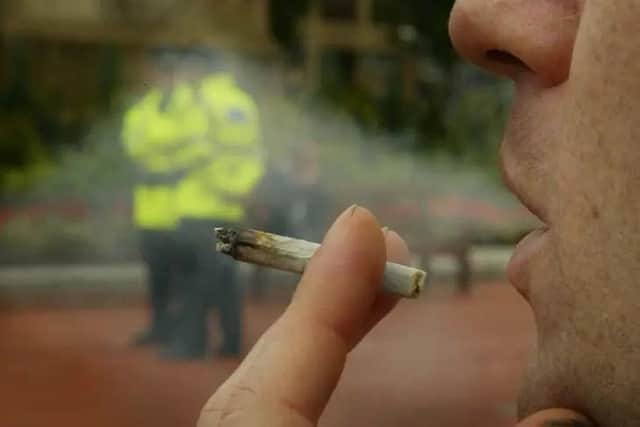

Figures from the Home Office show Nottinghamshire Police logged 4,112 drug offences in the year to June – up six per cent from 3,870 the previous year.
It means around three drug offences per 1,000 people were recorded in the area last year, which was just below the four per 1,000 average across England and Wales.
Across the two nations, drug offences increased by 18 per cent from just under 183,000 to nearly 216,800 in the year to June.
However, the offence rate varied greatly across regions.
Steve Rolles, senior policy analyst at the Transform Drug Policy Foundation, said the statistics should be used with caution as they can reflect changes in policing rather than in actual offences and behaviours.
He explained: "If the police put more resources into targeting particular offences – such as drug possession from stop and searches, or low-level dealing – that can easily boost numbers."
"Whether this is good or bad news depends on your perspective.
"The Home Office will no doubt spin it as a success, and claim to be having a measurable impact."
He said other statistics suggest drugs are becoming more easily accessible and drug-related deaths are rising, and called for a different approach to address drug addiction and offences.
He added: "The drug war posturing of the Crime and Policing Bill is purely performative.
"All the evidence from the past 50 years, in the UK and internationally – with ever expanding markets, use and harms despite the billions poured into punitive enforcement – suggests that 'tough on drugs' approaches and harsher penalties are expensive and ineffective.
"By contrast, the Government has been incredibly reluctant to embrace public health approaches recommended by its own appointed experts – that have been proven to work at reducing drug related harms."
He said such approaches include investing in treatment and prevention, with supervised drug consumption facilities for instance.
A CrimeStoppers spokesperson said drug dealing and offences have ‘a significant impact on local communities’ and can lead to ‘increased violent crime and the exploitation of children and vulnerable adults by criminal networks’.
They added: "We all have a role to play in spotting and speaking up about signs of drug activity.
"We appeal to the public to speak up to our charity, 100 per cent anonymously, about those responsible for distributing illegal drugs in the UK.
"Your information could help protect families and make communities safer."
A Home Office spokesperson said: "The Government is deeply concerned about the harms that illicit drugs can cause to individuals and the communities.
"Our landmark Crime and Policing Bill will introduce a new offence of child criminal exploitation to go after the gangs who are luring young people into violence and crime, and expanding police powers to drug test suspects on arrest for a wider range of controlled drugs."