
News Cyber experts training Nottinghamshire police officers to keep victims safe
Technical experts at Nottinghamshire Police are teaching officers to spot the potential threats posed to women and girls by internet-connected devices.
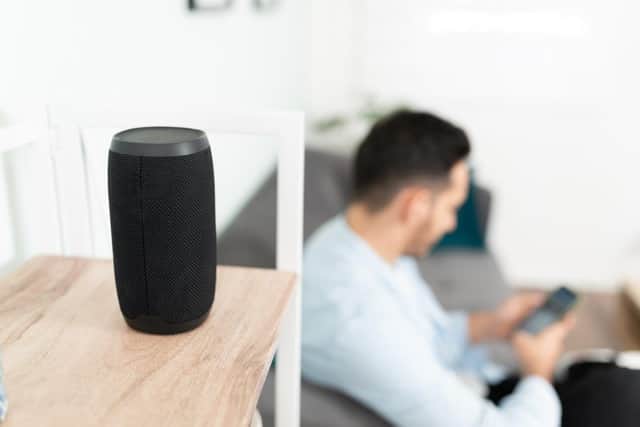
Items including smart speakers, doorbell cameras and mobile phones can all be used by abusers to exert control over others.
From tracking movements to recording conversations, everyday items are increasingly being used by those with malicious intent to harass, bully and intimidate others.
In response, Cyber Protect and Prevent Officer Mark Lonsdale has helped to devise an instructive training session and check list for use by officers when speaking with victims of domestic abuse, stalking and other offences.

Over the last year, more than 200 staff have been given enhanced training on the subject – with more sessions being delivered every month.
Mark explained: “From our camera doorbells to our smart speakers, the various connected devices we have in our homes have the potential to make our lives easier.
“We know, however, that a small minority of people use that technology to harass, bully, coerce and intimidate other people.
“Put simply, it’s tech-assisted domestic abuse that victims may or may not be aware of.
“I’ve seen examples of people being recorded in their own homes without their knowledge, and have also heard from victims whose movements have been tracked by former or current partners.
“So, this training is about making officers aware of the risks posed by electronic devices, and empowering them to protect the victims – mostly women and girls – they come into contact with.
“Real world actions could include moving conversations away from rooms fitted with smart speakers, or encouraging a thorough review of all digital and online accounts the other person may have access to.
“So, whilst we don’t want to scare people or cause them any further distress, we do want to stress to them the importance of common-sense digital hygiene measures which may help to keep them and their families safe.”
“By passing this knowledge on to officers and updating guidance where necessary, we are better able to keep the public safe.”
Practical measures can include:
Asking for the location of smart speakers
Advising about location settings on devices
Changing privacy settings on social media accounts
Changing Wi-Fi passwords
and general digital hygiene
For more information click here