

They include a town named the best place to live in the UK, and a city hailed as one of the best places in the world to visit.
Those places and others on Lloyds’ list of housing hotspots, where prices have soared by up to 13% in the last year, may surprise some people.
But they have gone or are undergoing significant redevelopment, which is helping change opinions of these previously underrated areas.
Wigan last year topped the quality of life rankings in a study by independent estate agency Kaybridge Residential, which took into account the cost of living, crime rates, air quality and access to healthcare.
It achieved a perfect score of 100, with a property expert saying its top ranking proved ‘you don't need to live in an expensive area to enjoy an excellent quality of life’.
One of the jewels in Wigan’s crown, the 30-acre Mesne Park on the edge of the town centre, is shining brighter than ever after its £6.1 million restoration.
The Victorian gem boasts beautiful formal gardens, a bandstand hosting regular concerts, a waterfall and lake, and a stunning pavilion which is home to a popular café.
Wigan town centre, meanwhile, is undergoing a £135m redevelopment, which will include a new indoor market and a 144-bedroom hotel.
According to Lloyds, the value of the average home in Wigan has increased by 10.5%, from £225,822 in 2024 to £249,562 in 2025 - the biggest percentage increase in the North West and the third biggest in the UK.
Another big riser is Hull, where the average property value has soared by 6.5% to £199,348.
Hull was recently featured in National Geographic’s best places in the world to travel to in 2026 - the only city in the UK to make the list.
National Geographic said Hull has benefited from ‘significant revitalisation’ and, with Hull Maritime Museum set to reopen this summer, alongside two floating museums - the Arctic Corsair cod trawler and the Spurn lightship, now is the perfect time to discover the city’s ‘laid-back charm’.
Wakefield, Mansfield, Liverpool, Rugby, Woking and Falkirk are also among the towns and cities that feature on Lloyds’ list of UK housing hotspots, while Northern Ireland was the region recording the biggest annual growth, of 5.7%.
Below are the UK’s 10 biggest property hotspots, according to Lloyds, based on the percentage increase in the value of homes between October 2024 and 2025.
Only areas where Lloyds Banking Group made at least 150 mortgage offers during that period are included.
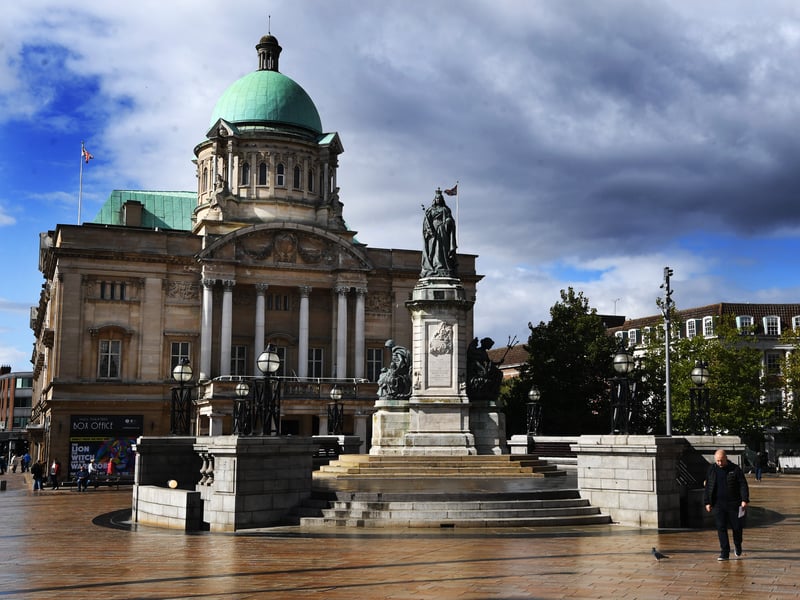
1. Hull
The average house price in Hull, East Yorkshire, rose by 6.5% between October 2024 and October 2025, to £199,348, according to Lloyds, which was the 10th biggest annual percentage increase of any town or city in the UK | Iconic Media Group Photo: Jonathan Gawthorpe
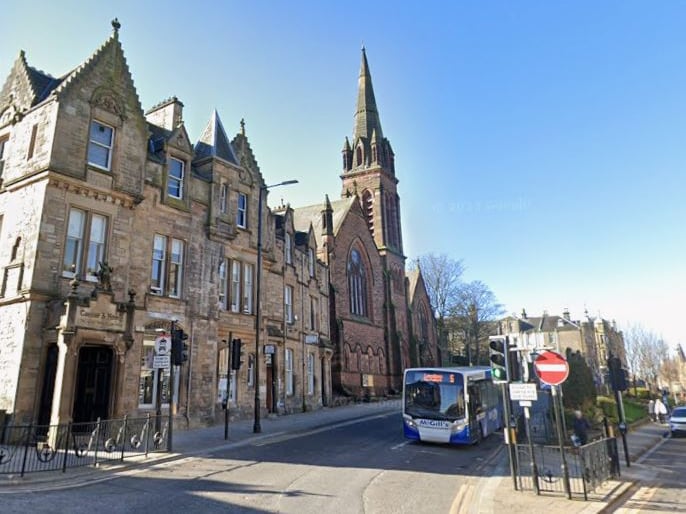
2. Falkirk
The average house price in Falkirk, Scotland, rose by 7.1% between October 2024 and October 2025, to £238,512, according to Lloyds, which was the 9th biggest annual percentage increase of any town or city in the UK | Google Photo: Google
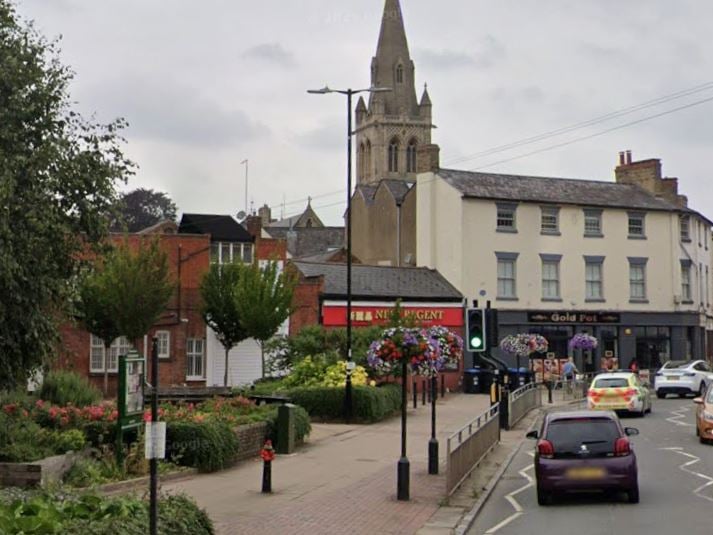
3. Rugby
The average house price in Rugby, West Midlands, rose by 7.3% between October 2024 and October 2025, to £374,653, according to Lloyds, which was the 8th biggest annual percentage increase of any town or city in the UK | Google Photo: Google
.jpeg?trim=0,0,0,667&crop=&width=800)
4. Liverpool
The average house price in Liverpool rose by 7.5% between October 2024 and October 2025, to £254,550, according to Lloyds, which was the 7th biggest annual percentage increase of any town or city in the UK | vichie81 - stock.adobe.com