
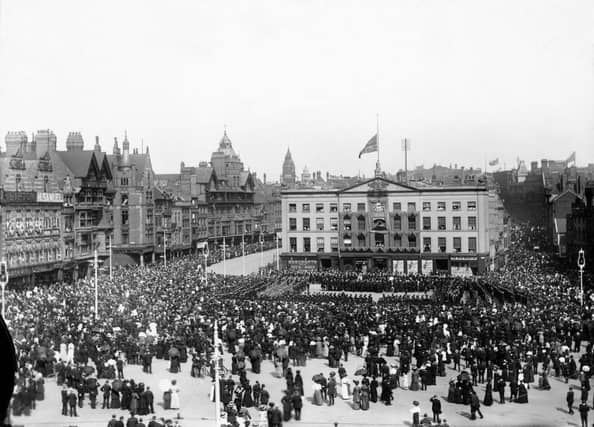


The images show a different looking county with traditional ways of life, Nottingham Forest in 1913 and the England Test cricket XI in 1899 in what was WG Grace's final Test at Trent Bridge all featuring,
There’s a state funeral for Queen Victoria in 1901. We also have an elephant making its way through Bulwell when the circus came to town, the Goose Fair in 1907 and 1908 and a nod to Nottingham’s lace industry.
That, and plenty more, in this cracking gallery. Take a look and enjoy.
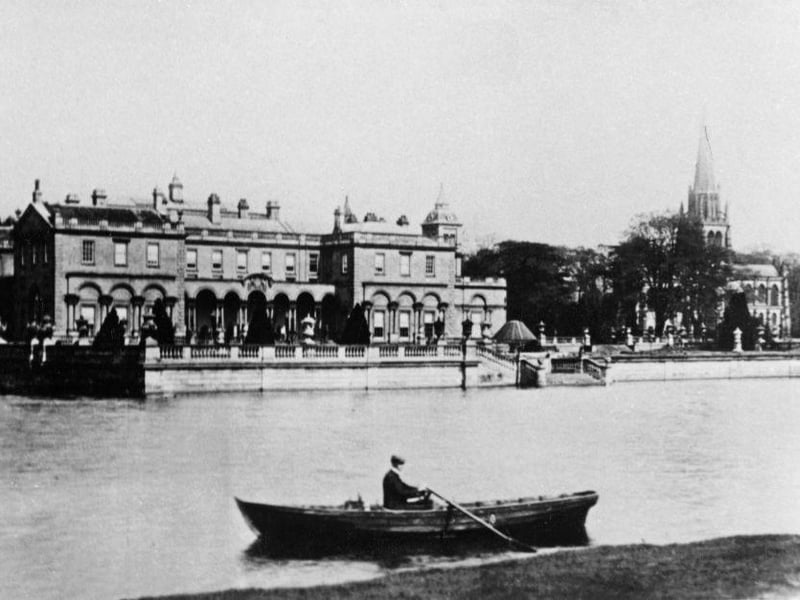
9. Clumber House
The image shows Clumber House (before it was demolished) and lake, around 1900. Clumber Park was once part of Nottinghamshire's famed 'Dukeries'. It was formerly home to the Dukes of Newcastle, and was built in 1770 during the reign of Queen Anne. Clumber was abandoned by the seventh Duke of Newcastle for the suburban comforts of Forest Farm near Windsor in 1908 and was finally demolished in 1938. Photo: Heritage Images/Getty Images
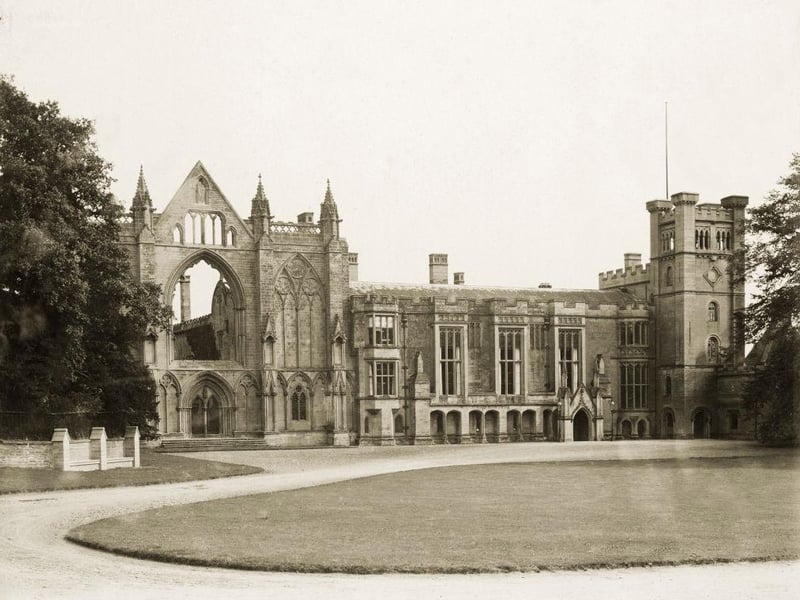
10. Newstead Abbey
The West aspect of Newstead Abbey, c1900. The abbey was founded between 1163 and 1173 by Henry II as a priory of Augustinian Canons. After the Dissolution of the Monasteries in 1540, Henry VIII sold the abbey to the Byron Family, and it is now best known for being the ancestral home of Lord Byron. Photo: Heritage Images/Getty Images
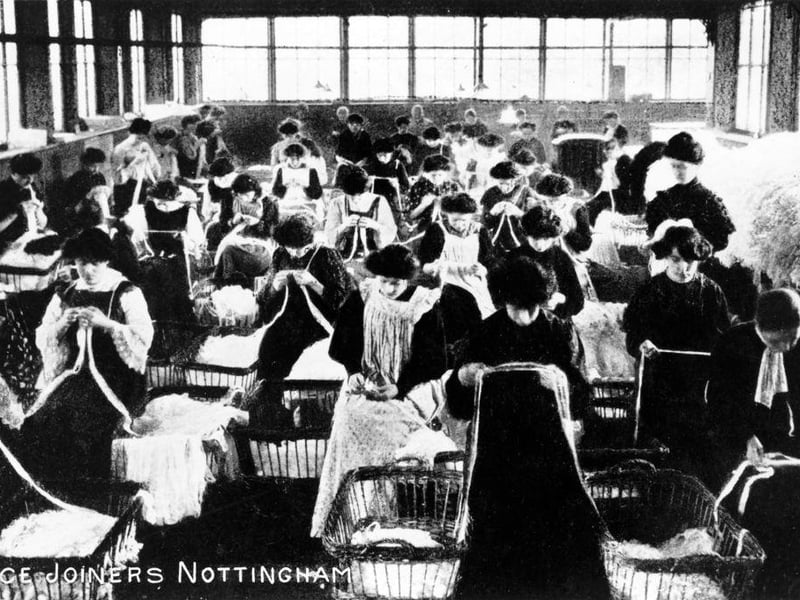
11. Women lace joiners
Women lace joiners at work in Nottingham, c1904. According to Cambridge County Geographies - Nottinghamshire by HH Swinnerton (1910), Nottingham is the metropolis of the lace-making industry. Photo: Heritage Images/Getty Images
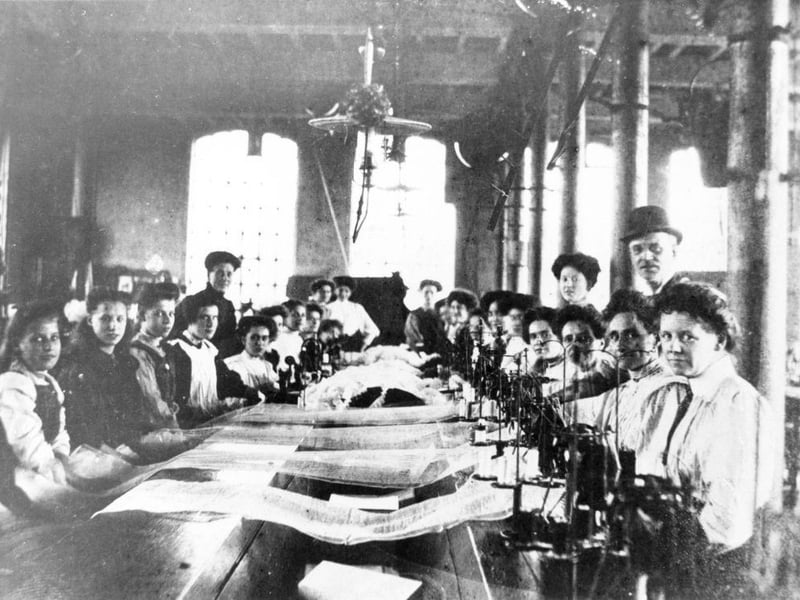
12. Midland Lace Company
Employees of the Midland Lace Company, on St Ann's Well Road, Nottingham, 1906. During the Industrial Revolution Nottingham's textile industry, particularly lace manufacturing, boomed. Photo: Heritage Images/Getty Images