


From the analog thrills of a Space Hopper and the competitive crunch of a Rubik’s Cube in the 1970s and 80s, to the pixelated revolutions delivered by Nintendo and Sega in the 1990s, and finally, the explosive rise of the internet-connected console in the early noughties, the evolution of playtime reflects the rapid technological and cultural shifts of those four defining decades.
Prepare for a heavy dose of nostalgia as we pop the hood on the toy boxes and game consoles that shaped generations. Join us as we rewind the clock and explore the iconic, sometimes baffling, and always beloved items that filled our childhoods from the '70s right through to 2009.
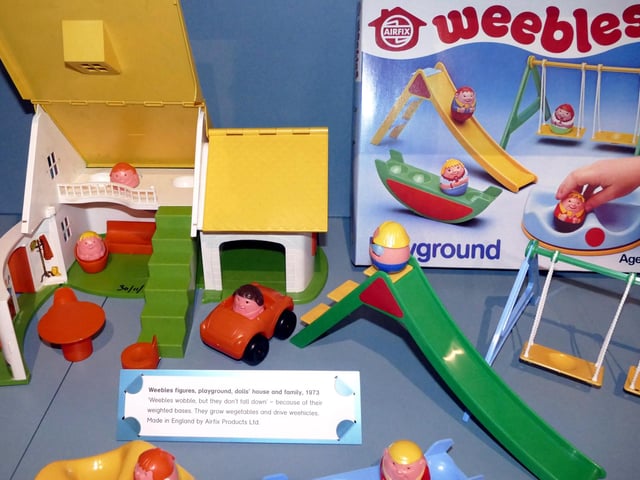
9. Weebles
Weebles are iconic, egg-shaped, roly-poly toys that "wobble, but they don't fall down," thanks to their weighted bottom. Originally introduced in 1971 by Playskool, the brand is now owned by Hasbro. Photo: Universal History Archive - Photo by Matt Cardy/Getty Images
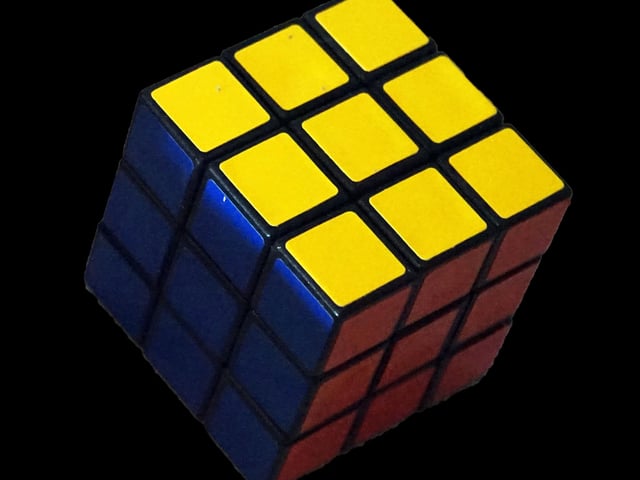
10. Rubik's Cube
Rubik's Cube is the world's most iconic and best-selling puzzle toy, challenging players with its 43 quintillion possible combinations and a single solution. Invented in 1974 by Hungarian professor Ernő Rubik, the 3x3 color-matching puzzle has fascinated people for decades and continues to be popular with enthusiasts and collectors. Photo: Universal History Archive/Universal Images Group via Getty Images
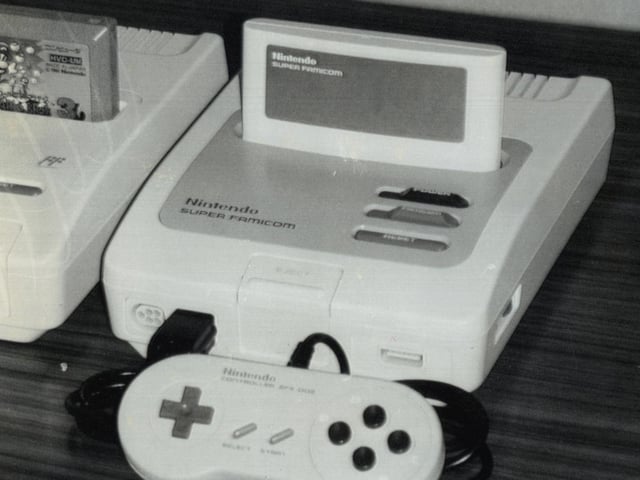
11. Nintendo
The original Nintendo console, known as the Family Computer (Famicom) in Japan, was first released on July 15, 1983. The redesigned version, the Nintendo Entertainment System (NES), was later released in North America in test markets on October 18, 1985, followed by a nationwide launch in September 1986. Photo: The Asahi Shimbun via Getty Images
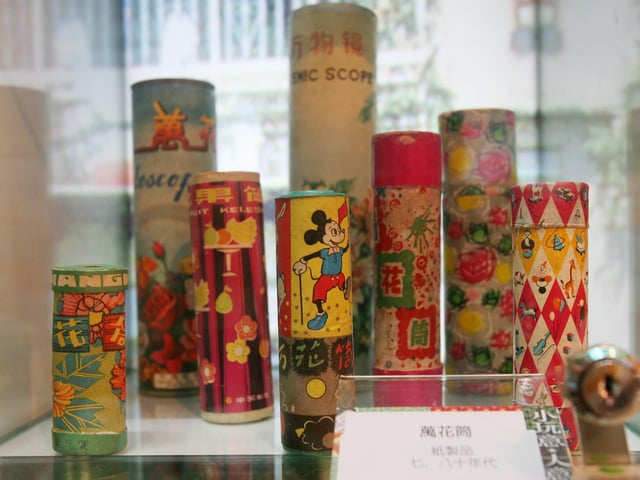
12. Kaleidoscopes
Kaleidoscopes classic optical toys that create infinite, beautiful, and symmetrical patterns using mirrors and colorful objects. Options range from inexpensive, classic tin and cardboard versions for children to high-end, handcrafted brass and stained glass models for collectors. Although invented in 1816, it re-emerged as an art form in the 1970s. Photo: May Tse/South China Morning Post via Getty Images