
Nottinghamshire health chiefs uncertain over patient impact of proposed £280m NHS savings
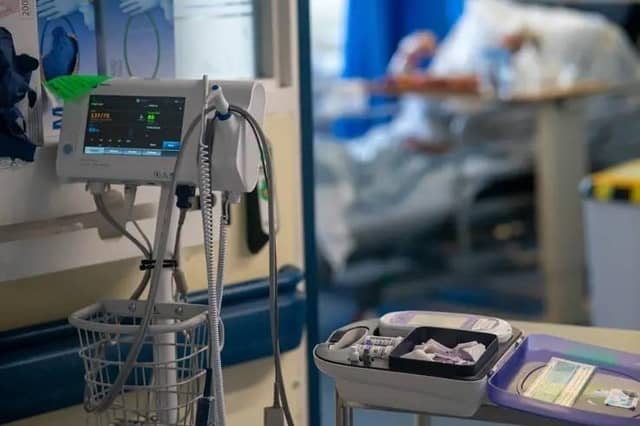

Nottinghamshire NHS bosses have revealed how the health service will try to save around £280m in the next year – but uncertainty lingers over the potential impacts any cuts could have on patients.
Nottingham and Nottinghamshire Integrated Care Board (ICB) representatives presented the breakdown of savings to Nottingham City Council’s health scrutiny committee on July 24.
The breakdown showed that anticipated savings for the area’s NHS services for the 2025-26 financial year totalled £282m.
In 2024-25, £252m was saved across the system in Nottingham and Nottinghamshire.
The largest anticipated saving for the current financial year is around £78m in ‘core services’, followed by £41.5m anticipated savings in the area’s workforce.
The report did detail some particular plans to help save costs across the service, such as trying to reduce patients taking over 10 medications a day, conducting a medication review and decrease repeat prescription items by one per cent in a pilot GP practice.
However, other aims were more vague, such as ‘dispose of assets across the system to reduce operating costs and backlog maintenance liabilities’.
Responding to the medication changes, Coun Eunice Regan (Lab) expressed her concerns, saying: “If you change the dimensions of medication, if you are elderly, can’t see very well and then you change the shape of the tablet, it can confuse more elderly people.”
Maria Principe, executive director of delivery and performance at the ICB, responded: “I think we’ve got room to go on our medication review.
"I think most people just tick boxes for prescriptions and then just put in their prescription.
"I think they believe it’s there so they should be taking it.
“That’s where we need to have a qualitative medication review with a patient and clinician asking if they really need the medication.”
The committee gained assurance that issues such as text message correspondence for appointments, having all services condensed onto the same online platforms and systems – for more streamlined services – and more work done around elderly people having falls will be ‘looked into’ for future cost-saving purposes.
But one councillor raised her uncertainty that the document showing the ICB’s anticipated £282m savings does not offer any perspective into what this means for patient services.
Committee chair Coun Georgia Power (Lab) said: “I think what I’m struggling with is, we’re here to discuss an item on the budget for the ICB, including efficiencies, but also what will be spent, because efficiencies include investing in things that are going to make savings elsewhere but we don’t actually have many concrete examples.”
Coun Power continued that the ICB had saved £65.5m on ‘other’ last year, questioning what ‘other’ was and if there were any examples.
She was told by Alex Ball, director of communications and engagement for the ICB, this represented a list of around 300 to 400 money-saving schemes.
Coun Power said again later in the meeting: “What we don’t have is what the impact on patients will be, whether that’s good, bad, indifferent.
"If you’re aware of what negative consequences will be, and you’re doing what you can to mitigate the effects, we get that difficult decisions are being made – but we don’t have any of that.”
Ms Principe asked: “Do you want to see the equality, quality impact assessments that may say there’s going to be a negative impact on the documents?
"I think us bringing thousands upon thousands of plans for cost-saving areas will just become overwhelming”.
But she agreed with Coun Power that the results of the impact assessments showing negative impacts for patients will be brought to the committee for clarity.