
How Mansfield's Covid-19 infection rate compares to Leicester after health boss warning
With the number of reported coronavirus cases on a downward trend across most of England, attention is now largely focused on the potential for a second wave of infections caused by regional spikes.
A number of tools have been developed to help people to keep track of the risk of second waves in different parts of the country based on factors like population density, age and hospital resources.
How likely a second wave of coronavirus in any given area is also dependant on the infection rate rising again – or ‘spiking’ – meaning that the number of new cases in a location is increasing week-on-week.
A spike could be the indicator that a second wave is imminent if the rate of infection continues to increase, meaning measures like track and trace and, in the most extreme circumstances local lockdowns, will need to be used to control the virus.
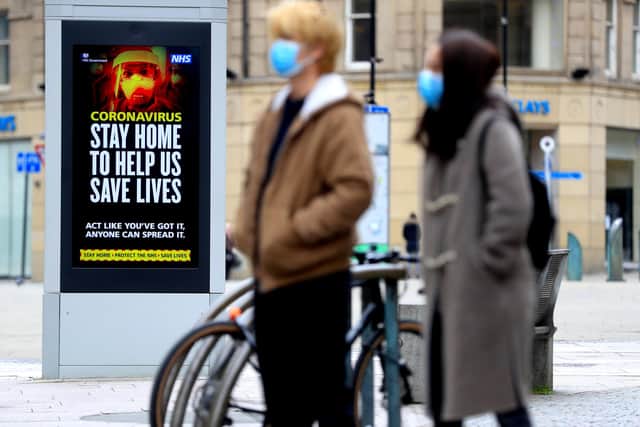

Think tank Centre For Cities has developed a tracker that shows how many cases have been reported in their city or large town in the past week, as well as monitoring if that total is an increase on the week before.
In Leicester, where the spike is the most severe and a local lockdown is in place, the total confirmed cases per 100,000 of the population in the last week of June is 109. This figure has been increasing over the past four weeks.
In Mansfield the infection rate is far lower. There has only been 5 new cases per 100,000 of the population, and the infection rate has been decreasing week on week.