
School-based nurseries: The East Midlands schools about to offer new places - as Government programme grows

The project promises a simplified school run for parents, and a seamless start for children 🏫
- More than 4,000 new school-based nursery places are available this month across England
- This includes nearly 500 in the East Midlands alone
- The Government has announced it will be expanding the programme to another 300 schools
- These nurseries could mean just one drop-off for families, and less of a transition for four-year-olds entering Reception
- It comes as working parents have just gained access to more free childcare hours – which could save them thousands
A pilot programme that is seeing hundreds of nurseries created in state primary schools is off to a flying start – and has just earned itself a fresh cash injection to offer places in even more communities.
School is back in session for learners across England this week, as the summer holidays end, and the new 2025/26 academic year begins. And as children of all ages return to the classroom, there will be more than 4,000 new primary school-based nursery places available to them, right there on school grounds.
The Government says that phase one of its school-based nurseries programme is well on track, with 189 of its 300 funded new or expanded nurseries set to be up and running by the end of this month. On Thursday (September 4), it announced that it would be expanding it with a further £45 million of funding – to build an additional 300 school-based nurseries to open by September 2026. Interested schools will be able to apply for their share – up to £150,000 each – from September 22, with the successful schools to be announced next April.
“I want to make life easier for working parents and make sure that every child gets the best start in life,” Prime Minister Keir Starmer told us. “We are saving time for parents juggling work and family life on the school run by opening nearly 300 nurseries on primary school grounds.”
The expansion of the school-based nursery programme comes as working parents become eligible for 30 hours of free childcare per week for children from nine months through to age four, something he said he was “really proud” to have been able to deliver.
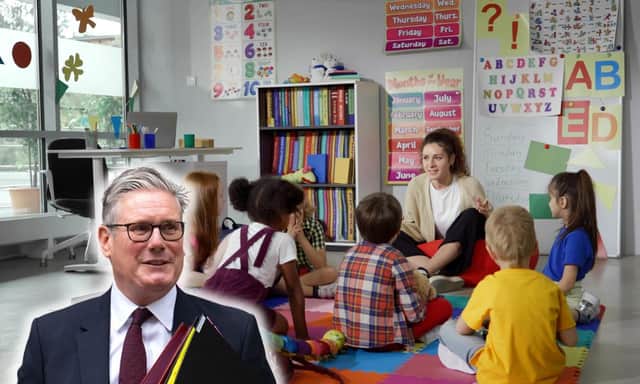

“That’s a promise made, a promise delivered and makes such a difference when I know many people are struggling. With 9 out of 10 parents getting their first-choice nursery place, that’s a brilliant early years education we have delivered for their children,” the Prime Minister continued.
“This government is rolling up its sleeves and delivering for working people,” he added. “Through our Plan for Change, we are putting more money in your pockets, getting your bills down and securing our borders.”
Downing St has shared with us exclusive data on all of the Midlands schools opening new nurseries as early as this month, under phase one of the project. Here is a full list of each school taking part in the wider region – as well as how exactly these are expected to help local families:
New or expanded nurseries across the East Midlands
Starmer said that in the East Midlands, they were set to open 24 nurseries in primary schools and create 470 additional new nursery places, “making local childcare easier to access and more affordable”. He continued: “But it also means children from nursery to primary school thrive in an environment they know and trust, which is so important for their development.”
Here are the council areas with new school-based nurseries set to open or be significantly expanded, along with the schools taking part in each:
Derbyshire
Derby
- Akaal Primary School
Derbyshire
- Eyam CofE Primary School
- Lenthall Infant and Nursery School
- Sudbury Primary School
Leicestershire
- Fernvale Primary School
- Kibworth Church of England Primary School
Lincolnshire
- Malcolm Sargent Primary School
- The Donington Cowley Endowed Primary School
- The Gainsborough Hillcrest Early Years Academy
- The Lincoln Manor Leas Infants School
- William Alvey School
- Wygate Park Academy
Northamptonshire
North Northamptonshire
- Oakway Academy
West Northamptonshire
- Hardingstone Academy
- Paulerspury Church of England Primary School
- Roade Primary School
Nottinghamshire
Nottingham
- Djanogly Strelley Academy
Nottinghamshire
- John Blow Primary School
- Lake View Primary and Nursery School
- Selston Church of England Infant and Nursery School
- Springbank Academy
- The Florence Nightingale Academy
- The Lanes Primary School
- Willow Farm Primary School
Four ways the Government says this could help local families
1. ‘More nurseries, less hassle’: The Government says that its new nurseries will make life easier for working parents by being set directly on primary school grounds. This will cut down the school run to a single trip for families with several young children of different ages, giving parents time back in their day.
2. Thousands of new places, as early as this term: From September, 4,000 extra nursery places will be available across England, in schools taking part in phase one of the programme. The Government says this will give families better access to high-quality childcare right in their local community. The expanded programme may see as many as 300 more join by the next school year, offering up to 7,000 additional places – with some of the country’s most disadvantaged communities to be prioritised.
3. One trusted place to learn: Children will benefit from a stable learning environment, with less of a transition between their school-based nursery and Reception – the first year of primary school. The Government said that so far, most families are getting the nursery places they need too – with 9 out of 10 securing one of their top three choices.
4. Putting money back in parents’ pockets: The expanded scheme is part of a wider childcare overhaul that the Government estimates is already saving families. The 30 hours of free childcare is expected to save as much as £7,500, while its pilot free school breakfast clubs are predicted to save an extra £450.
To find out more about accessing free childcare hours, and to find out whether you’re eligible, check out the Government’s official guide online here. It can also walk you through how to apply.